With autumn now underway and temperatures dropping, the NHS has confirmed the minimum temperature households should maintain this winter. The health service advises heating your home to at least 18C to stay healthy and protect against the cold.
This guidance is especially important for people aged 65 and over, those with health conditions, and individuals who are not very mobile. Keeping rooms warm can help fend off winter bugs such as colds, flu and Covid, as well as more serious health problems including pneumonia, heart attacks, strokes and depression.
Recommended room temperatures
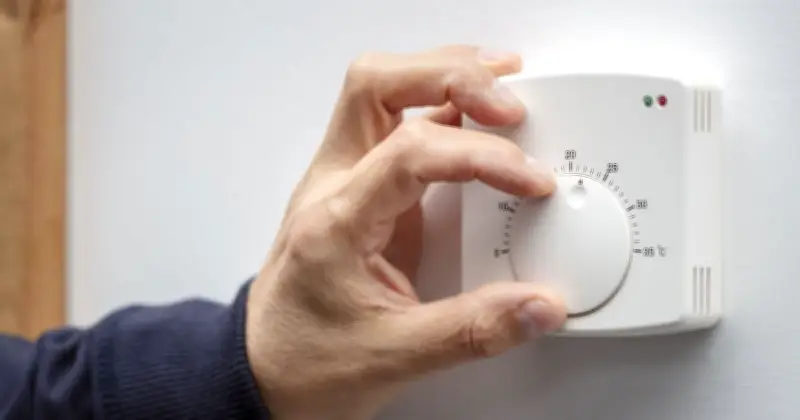
The NHS recommends setting your thermostat to a minimum of 18C in the rooms you use most often, such as your living room and bedroom. For families with babies, rooms should be heated between 16C and 20C while little ones sleep to minimise the risk of sudden infant death syndrome.
The health service said: “Keeping warm over the winter months can help to prevent colds, flu and more serious health problems such as heart attacks, strokes, pneumonia and depression.
“Heat your home to a temperature that's comfortable for you. If you can, this should be at least 18C in the rooms that you regularly use, such as your living room and bedroom. This is particularly important if you have a health condition. It's best to keep your bedroom windows closed at night.”
Keeping heat in and staying warm
To prevent heat from escaping, the NHS suggests drawing curtains at dusk, keeping doors closed to block draughts, and closing bedroom windows at night. Draught excluders can seal gaps around windows and doors, and radiators should not be blocked by furniture or curtains.
Other low-cost ways to stay warm include wearing several layers of thinner clothing, which keeps you warmer than one thick layer, and having plenty of hot food and drinks to maintain body temperature. Exercise is also advised, as it helps keep you healthy and warm; the NHS recommends moving around at least once every hour.
The NHS added: “Be smart and energy efficient: To ensure that heat doesn’t escape your home, fit draught proofing to seal any gaps around windows and doors making sure you have loft insulation if necessary. If you have cavity walls, make sure they are insulated too.
“Don’t forget to draw curtains at dusk and to make sure your radiators are not obstructed by furniture or curtains.”