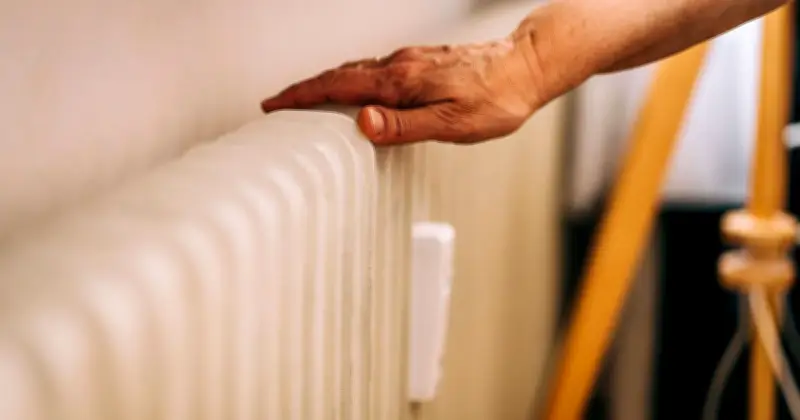
The NHS has confirmed that households should aim to keep indoor temperatures at least 18°C during winter, warning that anything below this level could pose health risks.
The guidance, published in a paper titled 'Minimum temperature threshold for homes in winter', comes as the Met Office forecasts that this Friday will be the coldest night of the week, with temperatures potentially dropping as low as -7C across much of the UK.
Health Risks Below 18°C
The NHS paper states: "Cold weather is not only associated with an increase in deaths but also has a significant impact on morbidity." It highlights that vulnerable groups, including older people, children, and those with chronic illnesses such as cardiorespiratory disease, are particularly at risk.
Reviewing a collection of studies, the NHS found: "The currently available evidence base, alongside expert discussion, suggests indoor temperatures of at least 18 °C pose minimal risk to the health of a sedentary person wearing suitable clothing." It adds: "Below 18C, negative health effects may occur, such as increases in blood pressure and the risk of blood clots which can lead to strokes and heart attacks."
Bedroom Temperature Guidance
For sleeping, The Sleep Charity recommends a lower ideal bedroom temperature of around 16-18°C (60-65°F). The charity explains that body heat peaks late afternoon and drops in the evening to prepare for sleep, kickstarting melatonin production. It states: "An ideal bedroom temperature is around 16-18°C (60-65°F), anything colder, and you might struggle to drop off."
For babies and young children, the Lullaby Trust advises bedrooms should be between 16°C and 20°C to reduce the risk of Sudden Infant Death Syndrome (SIDS). The trust says: "It’s important to make sure that your baby is a comfortable temperature – not too hot or too cold. The risk of sudden infant death syndrome (SIDS) is higher in babies who get too hot. A room temperature of 16 – 20°C, with light bedding or a lightweight, well-fitting baby sleep bag, is comfortable."
Energy Bill Pressures
The advice coincides with rising energy costs. Ofgem increased gas and electricity prices by 4% in October, and forecasts suggest bills could rise by as much as 26% in January, adding over £430 a year for a typical household. These figures are average illustrations, and actual costs vary depending on usage.