An NHS chief has urged Britons to take two crucial steps to counter rising rates of the so-called 'American Covid'. Catherine Morgan, chief nurse at East Suffolk and North Essex NHS Foundation Trust, said people should get their winter jabs and spend time outdoors, particularly those with pre-existing health conditions.
Hospital admissions not significantly risen
Speaking to the Ipswich Star, Morgan said: "As we move into the winter months, it is normal to see an increase in cases of seasonal viruses, including COVID-19 and flu. While some patients at Ipswich Hospital are testing positive for COVID-19, we have not seen a significant rise in hospital admissions as a result of the virus."
She added: "We are unable to determine the specific strain of COVID-19 in these cases, and therefore cannot confirm whether they are linked to any particular variant."
XFG strain surges across the UK
The update comes amid concern over the XFG strain, nicknamed 'American Covid' or 'Stratus', which has become one of the most common variants in circulation. Hospitalisations jumped from 950 in August to nearly 5,000 in September.
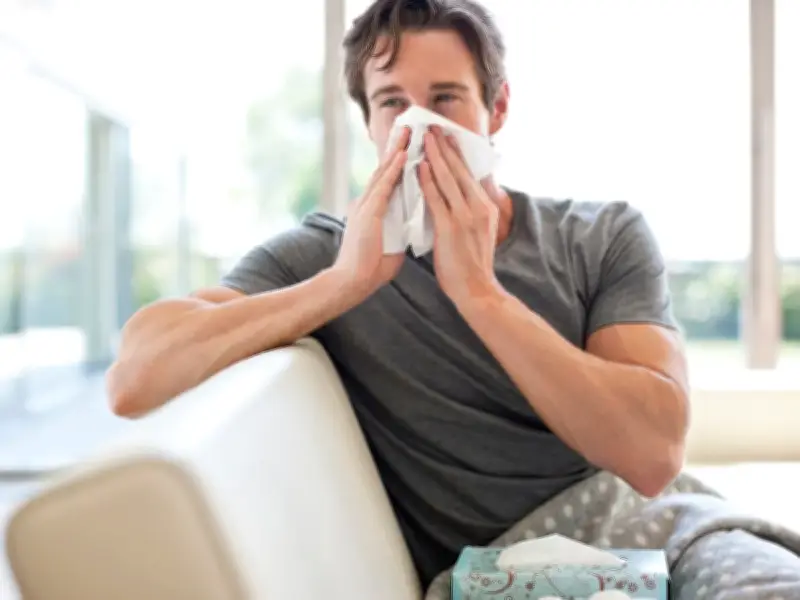
Symptoms include a sore throat, cough, fever, headache, fatigue, congestion, runny nose and muscle aches, while a hoarse or croaky voice appears more common than with previous variants. Current evidence does not suggest the strain causes more severe illness than other versions of the virus.
Vaccination remains best protection
Morgan said infection prevention and control measures remain in place across the trust's hospitals and community services, with vaccination remaining the best way to reduce the risk of serious illness.
Figures from the UK Health and Security Agency (UKHSA) show positive cases detected in hospital environments surged from 5.9 per cent to 7 per cent within weeks. Stony Brook Medicine University, New York, advised people to stay alert for possible symptoms, as numerous at-risk patients can be severely impacted by the condition. Primary symptoms include a lingering, dry cough, exhaustion or overall weariness and an elevated temperature of 38C or higher.