The NHS has reminded people who think they have Covid-19 what to do before seeking medical help, as fresh figures show the virus is still circulating in Britain.
Latest UK Health Security Agency (UKHSA) data shows SARS-CoV-2 positivity in hospital settings in England increased from 5.9 per cent to 7 per cent in the week ending September 20. Hospital admissions also rose over the same period.
Stay at home and avoid contact
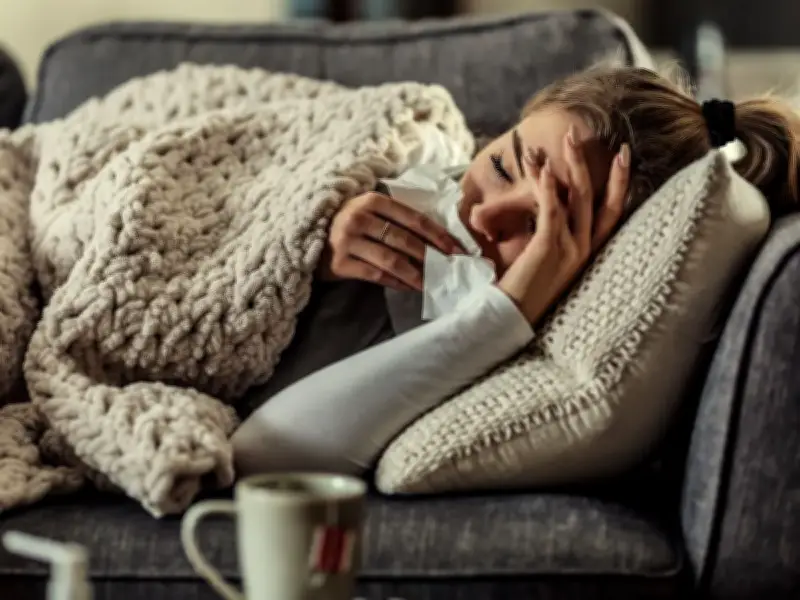
For anyone who develops symptoms, the NHS advises trying to stay at home and avoid contact with others if they have a high temperature or feel too unwell to carry out normal activities, rather than automatically heading to a GP surgery.
Most people with Covid will feel better within a few weeks, although recovery can take longer for some. Symptoms can also be similar to those caused by colds and flu, so symptoms alone cannot necessarily confirm Covid.
Rest, fluids and symptom relief
The NHS recommends getting plenty of rest and drinking enough water to avoid dehydration. Paracetamol or ibuprofen can be taken if you feel uncomfortable, while a teaspoon of honey may help ease a cough in adults and children over one.
There is no general requirement for people with Covid symptoms to take a lateral flow test. However, those who are eligible can get tests for free as soon as symptoms appear. To find out if you qualify, visit the NHS website – otherwise you will have to pay.
Positive test and when to seek help
If you test positive, the NHS says adults should try to stay at home and avoid contact with other people for five days from the day the test was taken. People are also advised to avoid contact with those more likely to become seriously ill from infections for 10 days.
Covid-19 symptoms can include a high temperature, feeling hot, cold or shivery; a new, continuous cough; loss or change to your sense of smell or taste; shortness of breath; feeling tired or exhausted; an aching body; a headache; a sore throat; a blocked or runny nose; loss of appetite; diarrhoea; and feeling sick or being sick.
Staying at home is not the same as avoiding medical advice altogether. The NHS says people should seek an urgent GP appointment or contact NHS 111 if they are worried, symptoms are worsening or they are not getting better. Those at increased risk of becoming seriously ill, including people who are pregnant, aged 60 or over, or have a weakened immune system, are particularly advised to get help when needed.
Call 999 or go to A&E if someone becomes very unwell, develops sudden chest pain, is so breathless they cannot speak in short sentences while resting, coughs up blood, collapses or has a seizure. The NHS therefore advises staying home when symptoms are mild enough to manage there, but not delaying medical help when symptoms become concerning.