
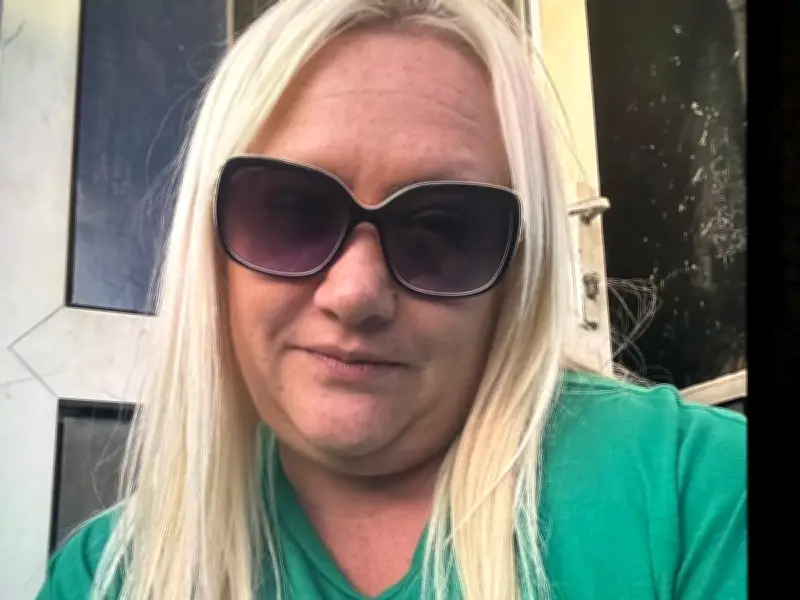
Elisha Woodfield, a 36-year-old mother of two from Poole, Dorset, has endured Behçet's syndrome for 25 years—a rare hereditary condition that causes painful ulcers and lesions across her body. Now, she is raising funds to have seven broken teeth removed to alleviate constant infections and abscesses.
Living with Behçet's Syndrome
Behçet's syndrome is a rare, poorly understood immune system disorder that can lead to life-threatening complications such as strokes and permanent vision loss. According to Behçet's UK, up to 2,500 people in the UK may have the condition, with the NHS Behçet's Centres of Excellence registering 2,208 patients in 2020, of whom 1,000 were considered active cases.
Woodfield first showed symptoms at age eight and has since battled severe flare-ups. Ulcers and lesions cover her body, including large ones on her legs. "I can't wear any clothing," she said. "Because the way the ulcers go, they're like wet, like raw flesh, like rotting flesh." One lesion once covered her entire thigh, causing such pain that a pharmacy assistant fainted upon seeing it.
Impact on Daily Life and Health
The condition has forced the cancellation of surgery for a fractured ankle after her blood pressure spiked to 290/170—far above the hypertensive crisis threshold of 180/120. Her teeth have also deteriorated, leaving her with only six teeth due to breakage. She suffers from constant abscesses and infections, making eating painful. "They're constantly infected with abscesses in my mouth. I'm really suffering and even eating is a bit of a challenge," she explained.
Woodfield has sought dental help for 18 years but cannot find an NHS dentist. A private dentist quoted £7,000 for a couple of extractions a decade ago. She now hopes to raise £1,600 through a GoFundMe campaign to remove seven broken teeth and purchase mobility equipment for her home.
Genetic and Family Toll
Behçet's syndrome is more common in people of Far Eastern, Middle Eastern, and Mediterranean descent, though all ethnicities can be affected. Woodfield's grandfather was of Iranian descent, and the condition passed to her mother and aunt. Her aunt died from Behçet's three years ago at age 60 after throat ulcers swelled and prevented eating. "She couldn't eat anymore because she got ulcers in her throat. It swelled up in the tubes," Woodfield recalled.
Both of Woodfield's children show symptoms: her 16-year-old son has mouth ulcers, and they await a specialist diagnosis. The cruel nature of the disease leaves her fearing an early death before she can fully provide for them. "I want to do the best I can for them. I want to try and spend every minute with them I can," she said.
Moments of Relief
Pregnancy offered temporary respite. During her pregnancies with her now 16-year-old son and nine-year-old daughter, Woodfield felt better. "I quite enjoy being pregnant. I feel at my best, I feel more alive and I feel I can do things," she said. Ulcerations reduced during those times, providing peace of mind.




