
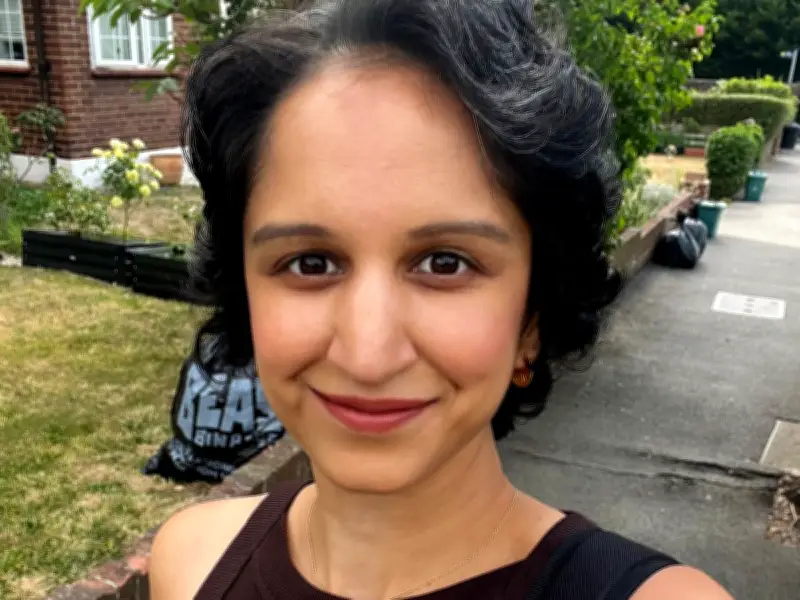
Meera Kotecha, 39, initially dismissed a lump in her left breast as a blocked milk duct while breastfeeding her son, Rio. After her sister Kaajal mentioned getting a lump checked, Meera sought medical advice and was diagnosed with hormone-positive breast cancer.
Diagnosis and Treatment
In early March 2025, Meera contacted her GP and was referred to a breast clinic. A mammogram and ultrasound revealed a 35mm lump, and a biopsy confirmed it was grade two hormone-positive HER2 negative invasive ductal carcinoma. Further tests showed the cancer had not spread beyond the breast.
She underwent 16 rounds of intensive chemotherapy, starting with four rounds of doxorubicin, known as 'the red devil', followed by 12 rounds of another form. The chemo caused hair loss, nausea, and fatigue. In September 2025, she had surgery to remove the tumour, which had shrunk due to chemo. A week later, she learned she was cancer-free. She then completed 20 rounds of radiotherapy in December 2025.
Long-term Effects and Gratitude
Because the cancer was hormone-positive, Meera now takes a daily tablet to block oestrogen production and receives monthly injections to stop ovarian oestrogen production. She also takes targeted therapy, has six-monthly infusions to prevent bone density loss, and uses nonhormonal medication for menopause symptoms. The treatment has induced medical menopause, preventing her and husband Vivek from having more children.
Meera said: "I noticed the lump but I was newly postpartum and breastfeeding, and many mothers get lumps and bumps when breastfeeding. I thought it was a blocked milk duct or mastitis, and getting it checked just wasn't on my radar. But when my sister told me she'd had a lump checked, it prompted me to think about my own lump."
Raising Awareness
Meera, from Middlesex, Greater London, is sharing her story to highlight the importance of checking breasts regularly, especially within the Indian community where cancer stigma exists. She said: "I come from an Indian background, and I've found that in my wider community there is so much stigma around cancer, people hardly speak about it. We should be talking more about it, and checking our boobs every month."
Manveet Basra, associate director of public health, inclusion and awareness at Breast Cancer Now, said: "Two thirds of breast cancers are found by breast checking, so learn the signs and symptoms of breast cancer today and get into the habit of checking your breasts regularly. There's no right time to check. And building it into your self-care routine could help to ensure you check regularly – you could do it in the shower or bath, when getting dressed or in bed before you go to sleep."




