
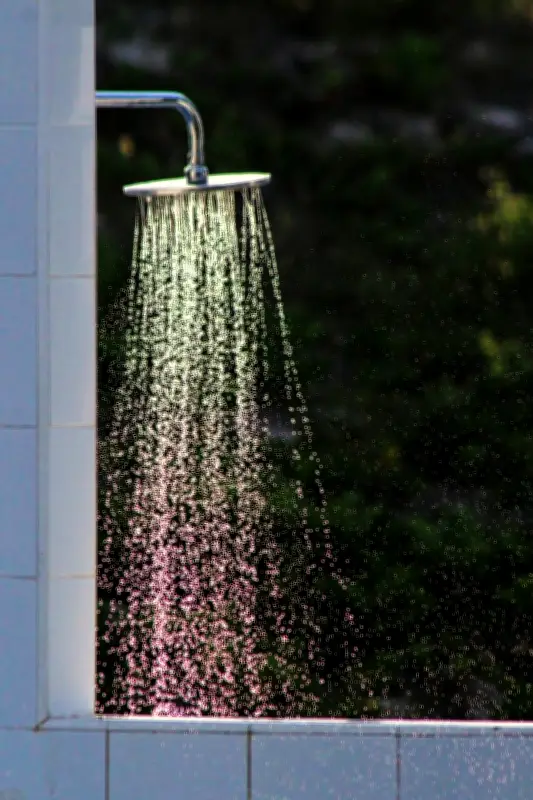
Almost all health experts attest to the value of regular showering for our health, mental wellbeing, and personal hygiene, but there’s some debate over whether it is better to shower in the morning or at night. However, one microbiologist penned a viral article for The Conversation in which she argues that there is a “clear answer” when it comes to the best time to shower.
Morning vs. Night Shower: Which Is Better?
Several experts have confirmed that morning showers are better for our bodies and hygiene. Although your body will collect pollutants throughout the day that can transfer into your bed, how our body reacts throughout the night is a strong enough argument to shower in the morning. That’s because most people don’t wash their bedsheets every day, so if you’re showering before bed, you’ll still likely be jumping onto sheets that contain various bacteria from previous nights.
Dr. Primrose Freestone, a professor in clinical microbiology at the University of Leicester, explains that you still sweat throughout the night, and these skin cells can become food for bed mites and trigger allergies. “As a microbiologist, I am a day-shower advocate,” she said. “A morning shower suggests your body will be cleaner of night-acquired skin microbes when putting on fresh clothes.”
“Your skin cells shed more during the night than during the day... that’s basically the food for our bacteria,” another expert weighed in on a radio segment on RTE.
Essential Shower and Bedding Hygiene Tips
While morning showers may technically be more hygienic, nothing outweighs making time for a shower at any point throughout the day. “It’s important to stress that showering is an integral part of any good hygiene routine — regardless of when you prefer to have one,” she added. These findings actually coincide with the broader trends among Brits. Data shows that almost half of Brits shower in the morning, while just 27 percent shower in the evening.
Of course, showering in the morning is not always possible, but other elements of our hygiene routine can go a long way. “You should launder your sheets and pillow cases at least weekly to remove all the sweat, bacteria, dead skin cells, and sebaceous oils that have built up on your sheets,” Ms Freestone added. This will also help remove fungal spores in your bedding and cut the likelihood of odour-producing microbes.
Interestingly, some dermatologists also advise against using soap when showering, as it can disrupt skin barriers and be unsuitable for the skin. Skin experts speaking to Time suggested that people should opt for gentle skin cleansers instead of a bar of soap.




