
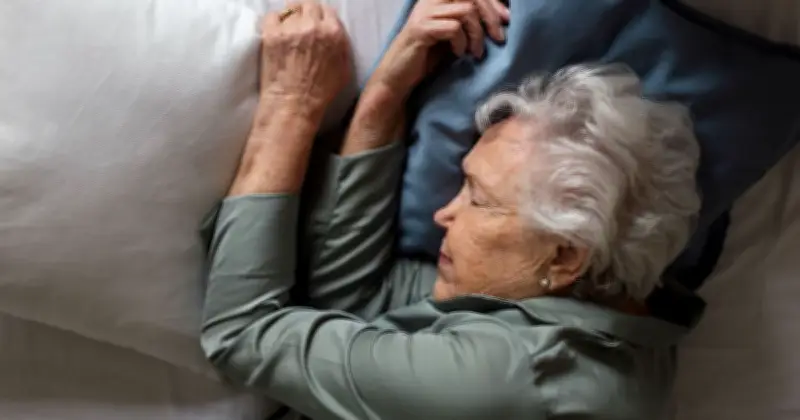
Millions of Brits could be living with an undiagnosed condition that disrupts sleep and is linked to serious heart problems, including heart failure, an expert has warned. Sleep apnoea causes breathing to repeatedly stop and start during sleep, depriving the body of a steady supply of oxygen.
What is Sleep Apnoea?
The condition occurs when the throat muscles and soft tissues relax during sleep, narrowing or blocking the airway. This interrupts breathing and can cause repeated drops in oxygen levels throughout the night. Left untreated, it is associated with a range of cardiovascular problems, including high blood pressure, atrial fibrillation and coronary artery disease, which can eventually lead to heart failure.
Dr Sandip Banerjee, a respiratory consultant and sleep specialist at Private Sleep Clinic, estimates that between eight and 10 million people in the UK have sleep apnoea, with around 80% of cases going undiagnosed.
Symptoms to Watch For
Loud snoring is one potential warning sign, although not everyone who snores has sleep apnoea. Other symptoms include waking with a dry mouth or throat, morning headaches and feeling excessively tired during the day.
The NHS Inform website says around a third of Britons struggle to get enough sleep, but persistent tiredness could sometimes point to a more serious underlying problem.
Seeking Help and Treatment
Dr Banerjee advises anyone who suspects they may have sleep apnoea to arrange an appointment with their GP. Recording audio or video of their sleep may help illustrate symptoms, while specialists can arrange tests, often involving monitoring at home overnight.
Treatment depends on the severity of the condition. Lifestyle changes, such as losing weight if needed, stopping smoking and avoiding alcohol, can help some people manage their symptoms. For more serious cases, a continuous positive airway pressure (CPAP) machine may be recommended. It gently pumps air through a mask to help keep the airway open during sleep.
As well as its links to cardiovascular disease, untreated sleep apnoea can affect mental wellbeing and leave sufferers struggling with fatigue and weakness during the day. Although the condition is associated with an increased risk of heart problems, it does not mean everyone with sleep apnoea will develop heart failure. Recognising the symptoms and seeking medical advice can help people get the right diagnosis and treatment.




