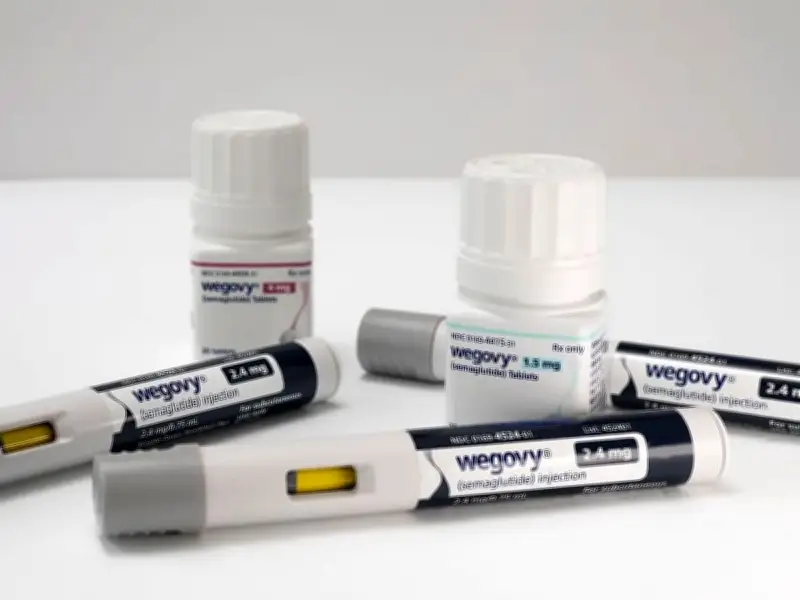
The Medicines and Healthcare products Regulatory Agency (MHRA) has issued an alert warning patients using popular weight-loss injections to seek urgent medical attention if they develop severe and persistent abdominal pain, following rare reports of fatal pancreatitis.
The warning, published on January 29, applies to glucagon-like peptide-1 (GLP-1) receptor agonists and dual GLP-1/GIP receptor agonists. This includes Wegovy, which contains semaglutide, and Mounjaro, which contains tirzepatide, as well as other medicines in the same groups.
Rare reports of fatal cases
The regulator said people taking these medicines could develop pancreatitis, which means inflammation of the pancreas. The MHRA says there have been rare reports of severe cases, including necrotising pancreatitis, where parts of the pancreas tissue die, and cases resulting in death.
Patients are advised to seek urgent medical attention if they experience severe and persistent abdominal pain. "Be alert to the risk of pancreatitis," reads a statement by the government agency.
"There have been rare reports of necrotising and fatal pancreatitis associated with GLP-1 and GLP-1/GIP receptor agonists. Advise patients to seek urgent medical attention if they develop severe and persistent abdominal pain that may radiate to the back and may be accompanied by nausea and vomiting."
Advice for patients and clinicians
The regulator warns that early symptoms can be difficult to distinguish from more common stomach-related side effects associated with these medicines. It says healthcare professionals should remain alert to the possibility of pancreatitis when assessing patients taking GLP-1 or GLP-1/GIP treatments.
There is also a reminder for people who obtain their injections privately, as these prescriptions may not appear on their usual medical records. The MHRA says clinicians should ask about use of these medicines if someone presents with symptoms that could indicate pancreatitis.
According to the regulator, treatment should be stopped immediately if pancreatitis is suspected. If the diagnosis is confirmed, patients should not restart the medicine, while those with a previous history of pancreatitis should use these treatments with caution.
Yellow Card reports
The MHRA also published figures showing it had received 1,296 Yellow Card reports of pancreatitis associated with GLP-1 and GLP-1/GIP medicines between 2007 and October 2025. Of those reports, 19 were recorded as fatal and 24 involved necrotising pancreatitis, although such reports do not in themselves prove that a medicine caused the condition.
Anyone who experiences the warning symptoms should seek "urgent medical attention" rather than waiting for them to pass. Suspected side effects can also be reported to the MHRA through its Yellow Card scheme.