
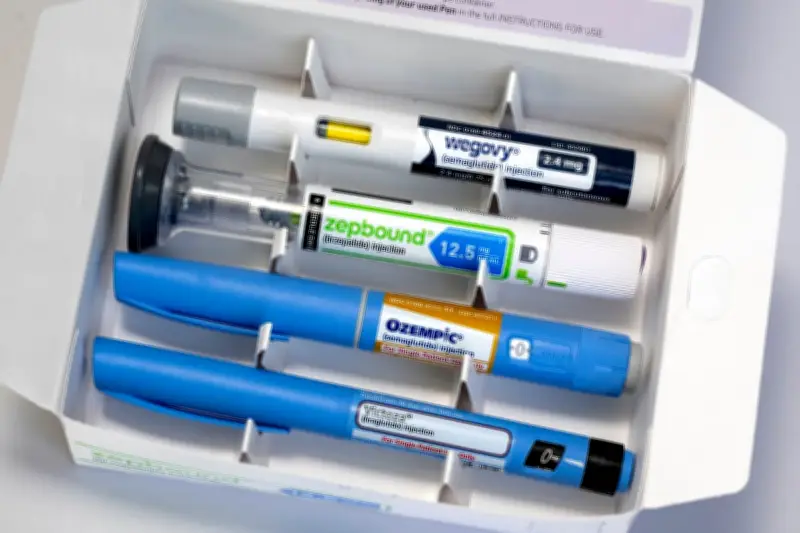
The Centers for Medicare & Medicaid Services (CMS) will launch a pilot program on 1 July that allows some adults aged 65 and above to pay only $50 each month for a GLP-1 weight loss drug, potentially helping millions of older Americans who struggle with the high cost of these medications.
Program details and eligibility
The Medicare GLP-1 Bridge program covers three drugs: Foundayo, Wegovy and Zepbound. It is available to people with Medicare Part D who do not have type 2 diabetes, moderate-to-severe sleep apnea or fatty liver disease, as those conditions may already be covered. Eligible participants must have a body mass index (BMI) of 35 or higher. The program is temporary, running until the end of 2027.
In fall 2025, about 5 million US adults aged 65 and above were taking a GLP-1 drug for weight loss or a chronic condition such as diabetes, according to a KFF Health survey. However, seniors were much likelier than younger adults to stop using the drugs, in part because of cost.
Patient experiences
Kathryn, a 66-year-old retiree in Denver, Colorado, started taking Zepbound two years ago and lost weight from 220lbs to 133lbs. “My blood pressure is great; my cholesterol is great. I feel really good,” she said. But the $450 monthly cost forced her to stretch dosages and forgo travel. The pilot program could provide financial relief.
Carmin, also in Denver, has had six 150-lb weight swings in her life and avoided GLP-1s to save for retirement. She hopes to use the Bridge program: “The dream scenario for me is that by Christmas or next spring, I can get back into clothes I was wearing two years ago.”
Provider concerns
Dr Annie Moore, an internist at CU Health in Denver, called it “a huge social and healthcare experiment” involving CMS website, pharmacy and health system coordination. “This has never happened. I just don’t quite know how smooth it’s going to be.” She estimates it could take three to four months before patients get the $50 price.
Dr Christopher Weber, an internist in Milwaukee who treats obesity, said clinics will be busy: “It’s a process for these prior authorizations, so just keeping up with that demand and the administrative overhead is going to be a challenge.” He noted he talks with at least five patients daily who could benefit but cannot afford the drugs.
Cost and sustainability questions
Dorothea Vafiadis, senior strategist for healthy aging at the National Council on Aging, said: “It’s a temporary program; obesity is not a temporary problem.” People worry about 2028, asking: “What will I do then?” Moore added that many older adults have limited income, so “we still have a concern that some people will find $600 per year too expensive.”




