
Health authorities are urging parents and carers to ensure children are up to date with routine vaccinations as measles cases continue to rise across England. The UK Health Security Agency (UKHSA) has reported 801 laboratory-confirmed cases between January 1 and June 22, 2026, with 104 cases recorded in the four weeks leading up to June 22 alone.
Regional Breakdown of Measles Cases
The majority of cases have been concentrated in London, which accounts for 54% of all infections. The West Midlands follows with 17%, and the North West with 11%. Despite these hotspots, every region in England has reported at least one confirmed case with symptom onset since January 2026, indicating widespread circulation of the virus.
Earlier this year, the UKHSA issued an alert describing measles as 'nearly twice as contagious' as the common cold. The agency warned that measles can lead to serious complications, including ear infections, pneumonia, and inflammation of the brain, which may require hospitalisation and, on rare occasions, can cause long-term disability or death.
Decline in MMR Uptake Raises Concerns
The surge in cases follows a decline in uptake of the measles, mumps and rubella (MMR) vaccine in recent years. Health officials are calling on parents and carers to confirm their children have received all routine jabs, including polio and MMR. Those unsure of their child's vaccination status should consult the red book (personal child health record) or contact their GP surgery to book an appointment.
Symptoms of Measles
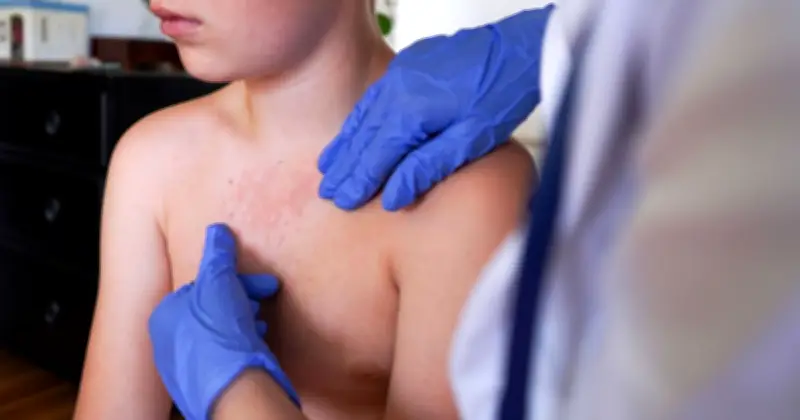
Measles typically begins with symptoms resembling a common cold, such as a runny nose, cough, and fever. A rash usually appears several days later, starting on the face and behind the ears before spreading to the rest of the body. The rash consists of spots that may become raised and join together to form blotchy patches; they are not usually itchy. Some children may also develop small spots inside their mouths.
Measles is often referred to as a Victorian disease due to its prevalence during that era. For further details on vaccinations, symptoms, and when to seek medical advice, visit the NHS website.




