
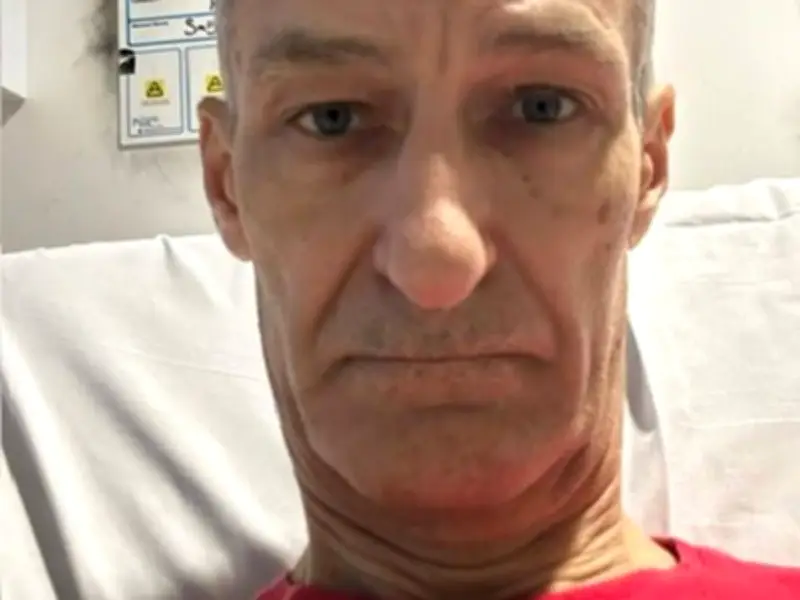
Andy Young, 62, a retired financial controller from Harpenden, Hertfordshire, spent 17 years without a single sick day. Within months of retiring, he was diagnosed with an incurable blood cancer. His primary symptom, he said, was suddenly losing the desire to drink beer.
From Homebrewer to Diagnosis
Young enjoyed a pint at the weekend and even brewed his own beer. As Christmas approached last year, he experienced mild flu-like symptoms. When he 'suddenly went off beer,' he saw his GP in January. Blood tests revealed kidney issues, and further investigations confirmed myeloma in March. He was told it is 'treatable but not curable.'
'17 years without a day off sick and then I retire and months later I get cancer,' Young said. 'I didn't really have any symptoms – apart from the beer bit, the rest were all just vague. But if something doesn't feel right, or something changes, then it probably isn't right. Get it checked.'
Chemotherapy and Stem Cell Transplant
Following weeks of chemotherapy, Young is showing signs of improvement. He is scheduled for a stem cell transplant in October, hoping to achieve remission. 'I can drink a beer now, so I think that (strangely) shows that the chemotherapy is working and my kidneys must be improving,' he added.
Young had 'no health issues' and passed his routine check-up at 60 with 'flying colours.' In the lead-up to Christmas 2025, he 'suddenly went off beer.' 'I would have a couple of beers in an evening or at the weekend and one time it took me nearly three hours to drink a beer,' he said. 'There was something about the taste because I really wasn't enjoying it. It was an effort to get through it.'
Delayed Diagnosis
He also had low-level nausea, tiredness, and chest pain. After consulting Dr Google, he believed it was flu. After three weeks, he visited his GP, who referred him for blood tests. Results showed his kidneys were not functioning properly. Over weeks, further tests—including blood, urine, X-rays, ECGs, ultrasounds, and a bone marrow biopsy—confirmed myeloma in March. 'It took clinicians almost three months to finally diagnose me with blood cancer... I was just thinking it was a kidney problem,' he said. 'The consultant came in to break the news and said, "You've got myeloma, it's a blood cancer, it's treatable but not curable. Any questions?" It was a huge shock.'
Myeloma: A Difficult Cancer to Detect
According to Myeloma UK, common symptoms include pain, fatigue, recurring infection, kidney damage, and peripheral neuropathy. Despite being the third most common blood cancer, it is notoriously difficult to detect as symptoms are often attributed to ageing or minor ailments. Young had never heard of myeloma. With a 'positive mindset,' he wanted to start treatment immediately. 'There's no point going, "why me?" ... You've just got to accept it and see what treatments are available.'
Spinal Fractures and Back Brace
In April, a full-body scan revealed two fractures near the top of his spine, close to pressing on the spinal cord. Young said he had 'no pain' and described it as a 'complete shock.' He was fitted with a back brace, now custom-made with Spider-Man colours because his older granddaughter is a fan. 'I probably have to wear it for another three months, but I've got to stop wearing it by September because otherwise I won't get the stem cell transplant.'
Ongoing Treatment and Outlook
Young is undergoing weekly subcutaneous chemotherapy and taking steroids that interfere with his sleep. His daily walking is restricted, but getting outdoors 'really helps.' He admits the stem cell transplant 'sounds horrendous, for a week or two,' but believes it offers the best chance of remission. 'It's worth going through a bad patch just to increase the chance of a longer remission at the end.'
Young is backing Myeloma UK's Know the Warning Signs campaign, which notes that more than 35,000 people in the UK are affected by myeloma. He urges others to 'find out as much as you can' and get unusual symptoms checked promptly. 'I guess it has made me think about things more – and it is the simple things (that matter).'




