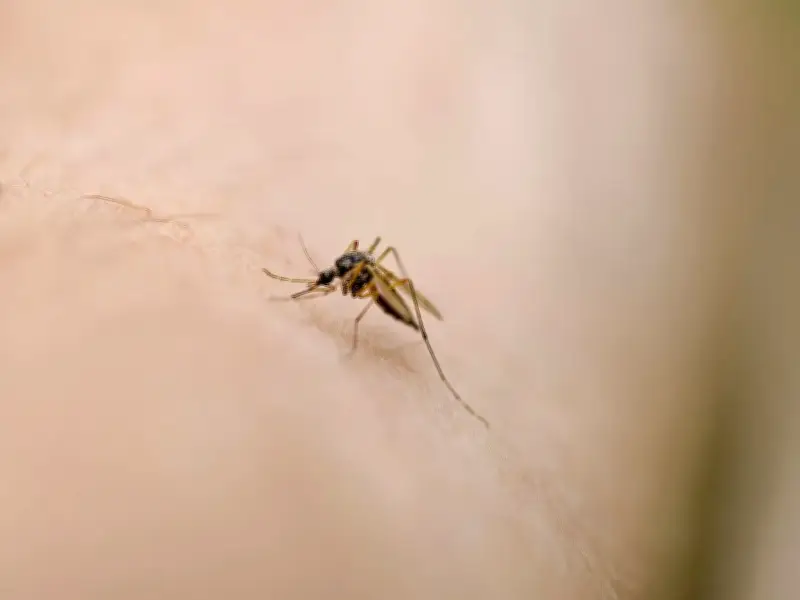
Six airport workers in Frankfurt, Germany, have been infected with malaria from a mosquito believed to have been carried into the country on a plane, in what has been described as a rare 'airport outbreak'. Health officials have confirmed that two workers died from the disease, and authorities are investigating whether a single mosquito was responsible for all the infections, according to the BBC.
How the infection spreads
Malaria is a potentially deadly infection spread by infected mosquitoes that are not naturally found in most of Europe. The female Anopheles mosquito is usually behind human infections and is found in tropical areas such as large parts of Africa or Asia, but is not native to most of Europe or the UK.
The infection must be treated as soon as possible, whether someone falls ill abroad or after returning home, as it can take weeks or even months for symptoms to appear. People will usually need to be hospitalised to receive antimalarial medications and to be monitored for complications.

Symptoms to watch for
Treatment for malaria can also leave patients feeling tired and weak for several weeks after recovering. Malaria can also return after treatment, requiring patients to be treated again.
Common malaria symptoms include:
- A high temperature, or feeling hot, cold or shivery
- Sweating
- Headaches and feeling confused
- Feeling very tired and sleepy (especially in children)
- Feeling and being sick, tummy pain and diarrhoea
- Loss of appetite
- Muscle pains
- Yellow whites of the eyes or skin (jaundice), although this may be less noticeable on brown or black skin
- A sore throat, cough and difficulty breathing
The NHS warns: “These symptoms usually appear between 7 and 18 days after you've been bitten by an infected mosquito. But sometimes you may not have symptoms for months after travel, and rarely years.”
Prevention and treatment
The infection can be prevented by taking steps to protect yourself when entering malaria areas:
- Taking antimalarial medication
- Wearing light, loose-fitting and long-sleeved clothing
- Using insect repellent, and reapplying frequently
- Sleeping under a mosquito net that's been treated with insecticide
- Sleeping in a room with effective air conditioning
Antimalarial medication must usually be started a few weeks before travel, and continued throughout the journey and for some time after leaving the high-risk area. According to NHS Inform, these tablets do not prevent malaria from entering the body, but rather prevent the infection from developing inside the body and making the person ill. If the tablets are stopped early, the infection can develop and cause illness.
According to the NHS, anyone who has travelled to a malaria area in the last 12 months and starts experiencing these symptoms should get an urgent GP appointment or call 111 for help. If symptoms start while still abroad, medical advice should be sought as soon as possible rather than waiting to return home.