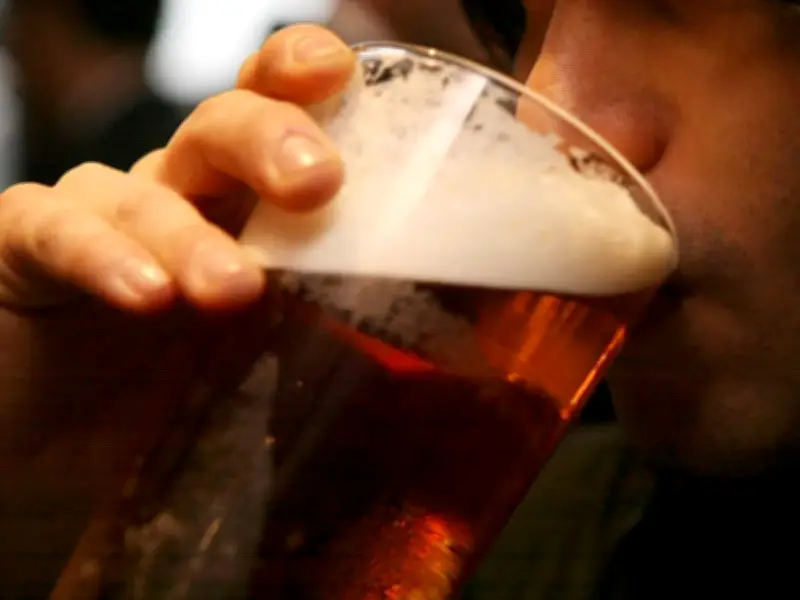
Liverpool needs to “rebalance the relationship” it has with alcohol after new data revealed more than 13% of the city’s adults are affected by binge drinking. Liverpool Council is launching a five-year plan on how it manages the “complex” bond citizens have with alcohol amid the bustling night-time economy and the harms associated.
More than £330m is spent a year dealing with alcohol related issues across Liverpool according to a draft strategy published by the local authority ahead of a cabinet meeting next week. The programme, which would run to 2032, said “alcohol contributes to preventable illness, hospital admissions, avoidable deaths, domestic abuse, anti-social behaviour and crime.”
Health and economic impact
Cllr Harry Doyle, cabinet member for health, wellbeing and economy, alongside Prof Matt Ashton, director of public health, detailed in their foreword to the strategy how “the harms associated with alcohol continue to have a profound impact on local individuals, families and communities, and place significant pressure on our health, care, policing, housing and voluntary sectors.” The document has also outlined the areas of Liverpool experiencing the highest levels of alcohol harm.
In their foreword, Cllr Doyle and Prof Ashton wrote: “For many people in Liverpool, alcohol is part of social life, and it contributes to economic activity, particularly in hospitality and nightlife. The impact of harm is felt greater in Liverpool than other core cities with people in the city’s most deprived communities facing “significantly higher levels of alcohol-related harm.”
Areas with highest harm
This includes the area around Stanley Park where 2,014 people per 100,000 are admitted to hospital for alcohol specific issues. Around Newsham the figure is recorded at 1,679 and 1,641 at the North Docks.
The dock recorded the highest number of alcohol-specific mortality rates, with 36.4 per 100,000. Smithdown was measured at 35.6 and 34.1 per 100,000 at Stanley Park.
The report added how the city’s relationship with alcohol is “complex” given how it has become “embedded” in the social and cultural identity and economy. It added: “This brings economic benefits, creating jobs and attracting visitors. However, the cultural acceptance of alcohol consumption, and the stigma against people drinking at harmful levels can mask significant health and social harms.”
Jobs and next steps
Pubs, bars, restaurants and clubs are thought to provide more than 50,000 jobs in the city alone. However, binge drinking is thought to impact around 67,300 adults while an estimated 55,000 men and 31,800 women are drinking above recommended guidelines.
A multi-disciplinary alcohol strategy group led by the Director of Public Health will oversee the delivery of the scheme. Cabinet members are expected to approve the scheme when they meet next Tuesday at Liverpool Town Hall.