
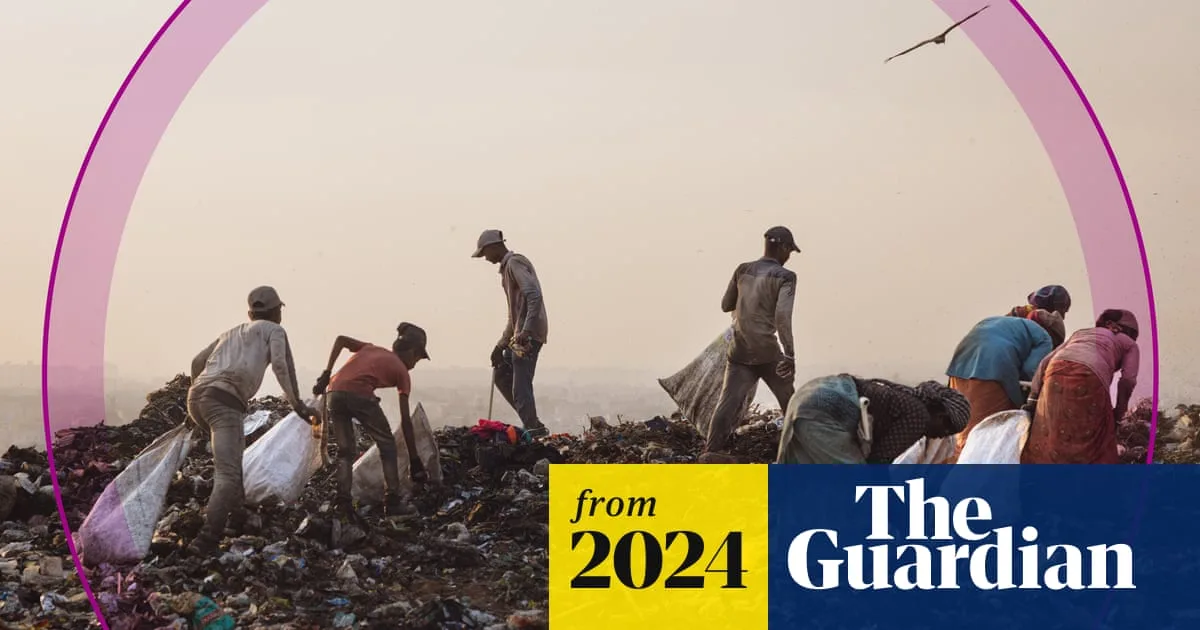
Satellite data has revealed that Delhi's massive rubbish dumps are among the world's worst hotspots for methane emissions, a potent greenhouse gas. The landfills at Ghazipur, Bhalswa and Okhla, which receive over 10,000 tonnes of waste daily, have been responsible for at least 124 'super emitter' methane leaks since 2020, according to environmental intelligence agency Kayrros.
These towering sites, visible from across the city and reaching heights of more than 200ft, are largely composed of biodegradable 'wet waste' such as food scraps and vegetable peelings. With no effective waste segregation in Delhi and no gas capture systems at the landfills, the decomposing organic matter releases vast amounts of methane into the atmosphere.
Methane traps 82 times more heat than carbon dioxide over 20 years, and waste dumps account for over 14% of India's total methane emissions. Experts warn that if India, the world's most populous nation, cannot control its methane output, it could jeopardise global efforts to limit temperature rises to 1.5C above pre-industrial levels.
Despite government promises to clear the three dumpsites by the end of 2024, officials admit the deadline is unrealistic as unsegregated waste continues to arrive daily. The Delhi state government declined to comment on the issue.




