A petition calling for the State Pension age to be reduced to 65 is close to a key threshold that will prompt a response from the Department for Work and Pensions (DWP). The petition, created by Michelle Gill, has gathered 9,831 signatures. Once it reaches 10,000, it will trigger a statement from the DWP. If it reaches 100,000 signatures, it will be considered for a parliamentary debate, where the government would be required to outline its position and any potential changes.
Concerns Over Health and Regional Variations
The State Pension age began to rise from 66 in April 2026 and is set to reach 67 in April 2028. The UK Work and Pensions Committee has expressed serious concerns about the effect on individuals who are unable to continue working, highlighting wide regional variations in health.
The petition states: “Reduce the state pension age to 65. We believe this could mean people can retire with dignity and avoid hardship. We also think it could free up jobs for younger workers entering the labour market. Many aged 65–67 face poor health, caring pressures, and limited work options, which we think is unfair.”
Health Data and Impact of Previous Rise
The Work and Pensions Committee noted significant changes in people's health that need to be considered before the change. It reported an increase in the percentage of people aged 60 to 64 with a work-limiting health condition, from 28% to 31%. Healthy life expectancy at birth fell by two years over the decade to 2024, with inequalities between the least and most deprived areas widening. In England, it is highest in Richmond upon Thames, where people can expect to live 70 years in good health, and lowest in Blackpool and Hartlepool, at around 51.
The committee also highlighted the severe impact of the previous rise in the pension age: “The last rise—from 65 to 66, between late 2018 and 2020—caused the income poverty rate among 65-year-olds to more than double. The fact that those affected will be a year older, leads us to fear that the impact may be even greater this time. Half of pre-pensioners (aged 60 to 66) in the lowest income quintile are already frail, and so vulnerable to significant deterioration in their physical and cognitive functioning.”
Call for Universal Credit Increase
The committee said the government must not allow a longer wait for support for 66-year-olds unable to keep working until 67. It stated: “The government must not just allow that to happen. We heard an increase in the level of Universal Credit in the year before State Pension age would cost £600 million a year, a small proportion of the significant savings—£10.5 billion a year once the State Pension age is 67, compared to if it had stayed at 66.”
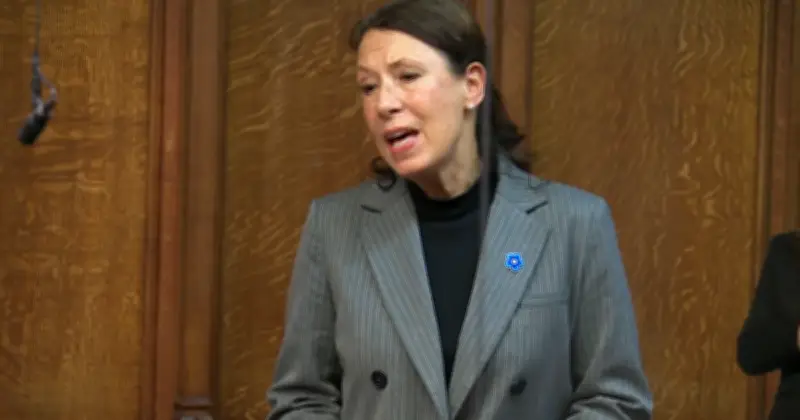
The committee argued that a growing number of 66-year-olds may have to rely on the standard rate of universal credit of around £425 a month for longer, despite worsening health. Committee chairwoman Debbie Abrahams said: “We can’t just allow people who are already struggling as they approach pension age to be forced to choose between continuing work in poor health or prolonging their poverty as they wait for their state pension to kick in. This is not the later life that anyone wants or to see their loved ones endure after providing for decades.”
A DWP spokesperson said: “We welcome the Work and Pensions Select Committee inquiry on the transition to state pension age and will consider their report and recommendations in due course. As of February 2026, just 0.02% of the universal credit caseload was aged 65 or 66. A range of options for extra support are available for those that have not reached state pension age, such as universal credit and other means-tested and disability-related benefits, while the Pensions Commission is examining how we can ensure secure retirements for tomorrow’s pensioners.”
There are currently plans to increase the age from 67 to 68 over two years from April 2044, although there are concerns this could be brought forward.