
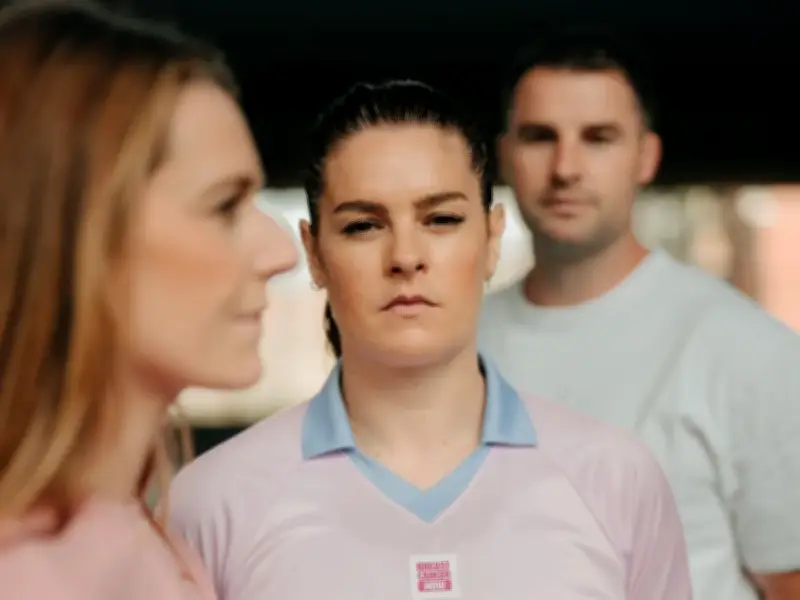
Former Arsenal defender Jen Beattie MBE has thanked her teammates for their support during her breast cancer journey, saying their backing meant she 'never felt alone'. The Scottish international was diagnosed in October 2020, aged 29, during the coronavirus pandemic and in the middle of the season.
Teammates' support and education
Beattie, who was in 'complete shock' at the diagnosis, let her teammates touch her lump to educate them on how it feels. She still regularly receives messages from players letting her know they have been checked for breast cancer.
Speaking about her 'hardest battle', Beattie said: “The biggest thing for me is they knew exactly when I wanted to be open about it and wanted to share, ask questions and be curious. I never felt alone.”
She added: “I was lucky to be in a very empowering environment with a group of women. We were all quite open to sharing what we’re going through personally, professionally, absolutely everything.”
Campaign ambassador role
Beattie is now an ambassador for Novartis UK, which has organised and funded Check Her Out, a disease awareness campaign in partnership with Breast Cancer Now. The campaign encourages women to check their breasts regularly and aims to inspire women to put themselves first when it comes to their health.
Beattie admitted that before her diagnosis, checking her breasts was not something she did deliberately. However, it has now become an intentional part of her routine after she learned 'how to do it properly'.
She also discussed the importance of staying in tune with your body after a breast cancer diagnosis and active treatment, and understanding your personal risk of recurrence. She said: “The best thing you can do is go to appointments, talk to your doctor and keep getting checked up.”
Recurrence fears and advice
Manveet Basra, associate director public health inclusion and awareness at Breast Cancer Now, said: "Finishing treatment is a significant milestone. But breast cancer can return months or even years after initial diagnosis, yet many are unaware that the disease could come back. This uncertainty can take a significant emotional toll, with 81 per cent of primary diagnosis breast cancer patients reporting a fear of recurrence, and 20 per cent saying it affects their relationships and overall quality of life."
Basra added: "Understanding the signs and symptoms of breast cancer, being aware of any new, persistent or unusual changes and attending follow-up appointments can help you feel confident about when to seek advice. Being breast aware isn't about constantly worrying, but finding a healthy balance between moving forward and knowing when it's time to speak to your breast care team."
She also noted: "There's no set frequency in terms of breast checking, but it's all about thinking when it fits in with your self-care routine. You need to get to know what your breasts look and feel like, what's new and what's normal. It only takes a few minutes and there's no right or wrong way to do it, provided it's done regularly. It could be while you're getting dressed, showering or applying moisturiser."
On-pitch return and Millie Bright's support
Following her diagnosis, Beattie played for Arsenal just three days later, scoring the winning goal against Brighton. She said: “I still get emotional about it now because at that point it wasn't public. I wanted to feel like I could still go through life and be myself, and that for me was on the pitch. It's one of those weird moments, I'm a centre-back, I don't score many goals and that weekend I did. That picture is still one of my favourite pictures because it was the team getting around someone going through a really difficult time.”
With no family history of the disease, Beattie said being diagnosed was not something which had crossed her mind. She said: “I felt fit, I felt healthy. But I felt the lump and I was worried about it. I knew something didn’t feel right. In those moments you have to trust your gut and go and get it checked because it might be nothing – but it also might be something. Before, I was quite an anxious footballer, I would get quite stressed, get really nervous, but when you go through something life altering like that, none of that matters, health is number one.”
Former Lioness Millie Bright, who is also supporting the campaign as a Novartis ambassador, said it was “massively important” women feel confident checking their own breasts. Her partnership with Novartis came about after her grandmother was diagnosed with breast cancer aged 60. Her grandmother had a recurrence a few years later but is currently living cancer-free.
Bright said: “It took me too long. And I'd hate for the next generation to feel like they couldn't say anything until they were in their 30s, as this is something really close to my heart.”




