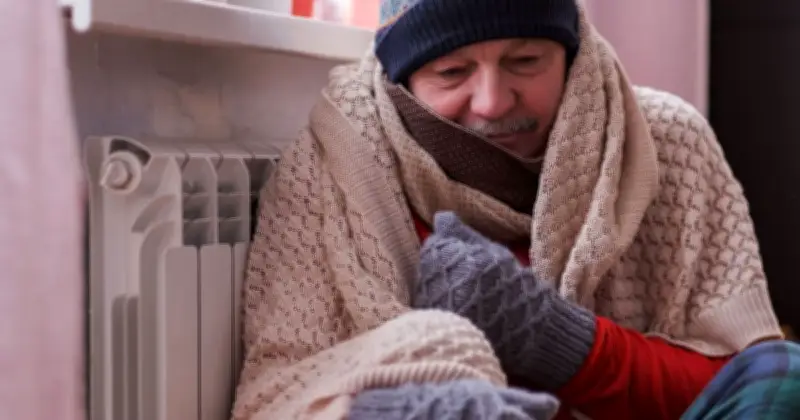
The UK Health Security Agency (UKHSA) has warned that indoor temperatures below 18C can begin to have adverse effects on the body, even when outdoor conditions are not freezing.
Cold weather affects the body in many ways. Beyond increasing the circulation of illnesses such as flu, it can also bring on or worsen heart and lung conditions, according to the UKHSA. Certain groups, including people with chronic health problems and those who are older or very young, are more likely to be affected by the cold.
Health risks begin above freezing
The UKHSA has stressed that the temperature does not have to be freezing to cause harm. Outdoors, health effects can begin to be felt at an average temperature anywhere between 4C and 8C, which many would consider cold but not freezing. Indoors, evidence indicates that below 18C is when the body starts to show adverse effects.
Risk also accumulates with the number of days spent at moderately cold temperatures, not only on the coldest days. Those most at risk are people aged over 65, young children, and individuals with heart or lung conditions.
Vulnerable groups and housing factors
People with dementia or Alzheimer's disease are also vulnerable, as they may not recognise that they are cold. Those on low incomes and living in poor-quality housing are affected disproportionately. In one study of older patients treated for hypothermia, most lived in relatively deprived areas.
Deaths typically rise shortly after the onset of cold weather, and death rates can remain elevated for up to four weeks after a cold snap, the UKHSA added. Deaths from infections such as pneumonia tend to follow in the weeks afterwards.
Recommended precautions
The UKHSA has urged households to heat their home or the rooms they spend more time in to at least 18C. It also advised against sitting still for more than an hour or so, as movement keeps the blood circulating and helps to prevent clotting. For those unable to move around, even small movements like flexing fingers and toes can help.
The UKHSA also recommends checking the weather forecast and signing up for Met Office alerts, keeping bedroom windows closed at night, and wearing multiple layers of thinner clothing, which could keep a person warmer than one thicker layer. It further advises having boilers and appliances serviced regularly, reducing draughts with draught excluders, and checking eligibility for financial help with heating costs, noting that receiving other benefits is not always required to qualify for some support.