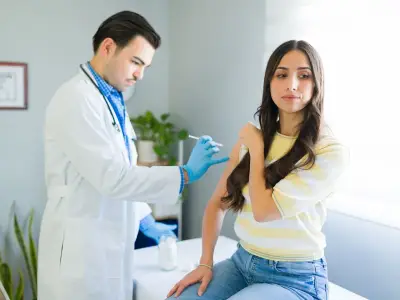
A research study published in the Lancet reports that girls who received the human papillomavirus (HPV) vaccine at age 12 or 13 had an almost zero risk of dying from cervical cancer before age 30. Although cervical cancer is less common than many other cancers, it still claims around 880 lives every year in the UK. Almost all cases of cervical cancer are caused by persistent infection with high-risk types of HPV, making it one of the few cancers that can be prevented through vaccination.
What is HPV?
HPV infection is common. Most people will become infected with it, usually without ever knowing because infection often causes no symptoms. The virus spreads through intimate skin-to-skin contact, including sexual contact. In most people, their immune system clears the infection naturally within a year or two, causing no long-term health problems.
Sometimes, however, HPV infection persists. Certain types of HPV, known as high-risk HPV, can gradually cause changes in cells that may develop into cancer years later. Because infection is usually symptomless, people can carry and spread the virus without realising it.
HPV is best known for causing cervical cancer but also causes other cancers, including cancers of the mouth and throat, anus, penis, vulva and vagina. Other types of HPV cause genital warts, which are not cancerous but can cause distress and sometimes require treatment.
Vaccination
Highly effective HPV vaccines have been available in the UK since 2008. These vaccines protect against the HPV types responsible for most HPV-related cancers. The vaccine does not contain the live virus and cannot cause HPV infection. Instead, it trains the immune system to recognise the virus so that it can prevent infection if a person is exposed to HPV in the future.
The HPV vaccine is offered free by the NHS to all children in Year 8, when they are 12 or 13 years old. Vaccinating children before they are exposed to HPV provides the greatest protection. Since 2019, both boys and girls have been included in the programme because HPV affects both sexes. Vaccinating boys not only protects them against HPV-related cancers but also helps reduce the spread of the virus in the population.
For most people, a single dose provides excellent protection. Anyone who missed their vaccination at school can usually receive it free through the NHS up to their 25th birthday. The HPV vaccine is also recommended for certain other groups at higher risk, such as people living with HIV.
The jab can cause side effects, but these are usually mild and short-lived. The most common side effects are soreness, redness or swelling at the injection site. Some people may also experience a headache, tiredness or a mild fever for a day or two. Serious side effects are very rare, and the vaccine has an excellent safety record.
Falling Cancer Rates
Since the introduction of the HPV vaccination programme, rates of HPV infection in the UK have fallen dramatically—particularly among young people who have been vaccinated. More recently, researchers have shown substantial reductions in cervical cancer itself, especially among women vaccinated at the recommended age of 12 or 13 years.
The HPV vaccine is one of the greatest recent advances in cancer prevention. Few medical interventions can prevent several different cancers with a single injection. As the latest research shows, vaccination is already saving lives and will protect future generations from thousands of preventable cancers.
Elimination
The success of the HPV vaccination programme depends on maintaining a high uptake. Although most parents choose to have their children vaccinated, uptake varies between different communities. Some families may have concerns about vaccine safety or may simply not have enough information about HPV. Other children may miss school vaccination sessions because they were absent on the day.
Providing clear, accurate information and making catch-up vaccination easily available are essential to ensuring that every child and young person has the opportunity to benefit. The NHS aims to eliminate cervical cancer in England by 2040, building on the success of HPV vaccination and cervical screening programmes.
One reason the HPV vaccination programme has been so successful is that it not only protects the people who receive the vaccine but also helps reduce the spread of HPV throughout the population. As more young people are vaccinated, HPV becomes less common, helping to protect those who are not vaccinated or in whom the vaccine was not effective.
Screening
The HPV vaccine does not protect against every type of HPV that can cause cervical cancer. This is why women should continue to attend their cervical screening appointments when invited, even if they have been vaccinated. Cervical screening remains an effective way of detecting early changes in cells before they develop into cancer. Vaccination and cervical screening work together to provide the best possible protection from cervical cancer.