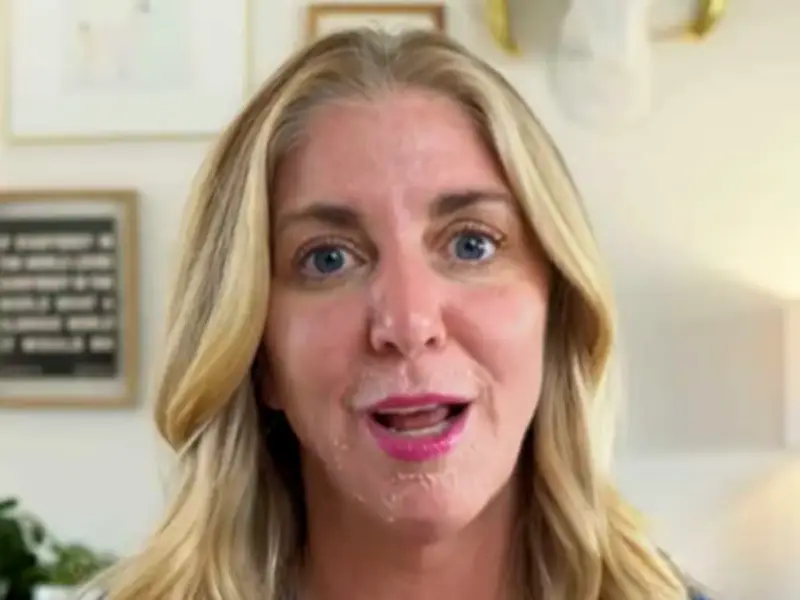
Hospice nurse Julie McFadden has shared five daily habits she says are proven to lower the risk of developing dementia. Her advice comes as the condition affects one million people in the UK, yet one in 10 adults cannot name a single symptom.
Daily movement and health monitoring
McFadden, who runs the Hospice Nurse Julie YouTube channel with 744,000 subscribers, said “moving your body on a daily basis has been proven to help decrease your risk of dementia.” She recommended dancing, walking, swimming, or moving while watching a video, and suggested turning hobbies into brain-boosting activities.
She also stressed the importance of monitoring blood pressure, cholesterol, and blood sugar through annual doctor visits, or more frequent check-ups if those levels are already a concern. “Trying to maintain it best you can either through medication, diet, movement. Those things are going to help decrease your risk of dementia,” she explained.
Sensory health and lifestyle choices
McFadden, who has genetic hearing loss, highlighted the link between untreated hearing or vision loss and increased dementia risk. She noted that “adjusting your hearing, getting your hearing fixed for as long as you can does help with your brain health overall, which then helps decrease your risk for dementia.” The Alzheimer's Society confirms that mid-life hearing problems “may have an increased risk of developing dementia,” but adds that hearing loss alone does not mean a person will definitely develop the condition.
On diet and lifestyle, she advised watching what you eat, not smoking, and not drinking. She mentioned experimenting with a Mediterranean diet rich in vegetables, fruits, beans, nuts, whole grains, olive oil, and fish. The NHS notes that four in 10 dementia cases can be prevented, and a balanced diet can reduce risk.
Brain and social engagement
Finally, McFadden recommended keeping the brain and social life active through puzzles, games like Sudoku or Wordle, trying new activities, and maintaining social connections. “Connection helps our overall life. Connection, having a social life, talking to people, even if it means like talking to the mailman... Those little things really can help your brain life,” she said.
She concluded that while these habits may reduce risk, nothing guarantees prevention, as genetics and other factors play a large role. “A lot of this has to do with so many other things at play. But I do think it’s important just to educate about the things we can do to not only decrease our risk of dementia, but those things also will keep us overall healthy as we age.”