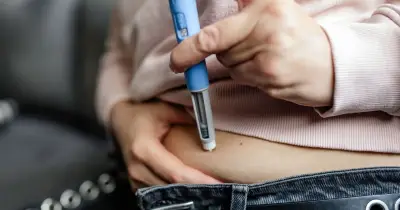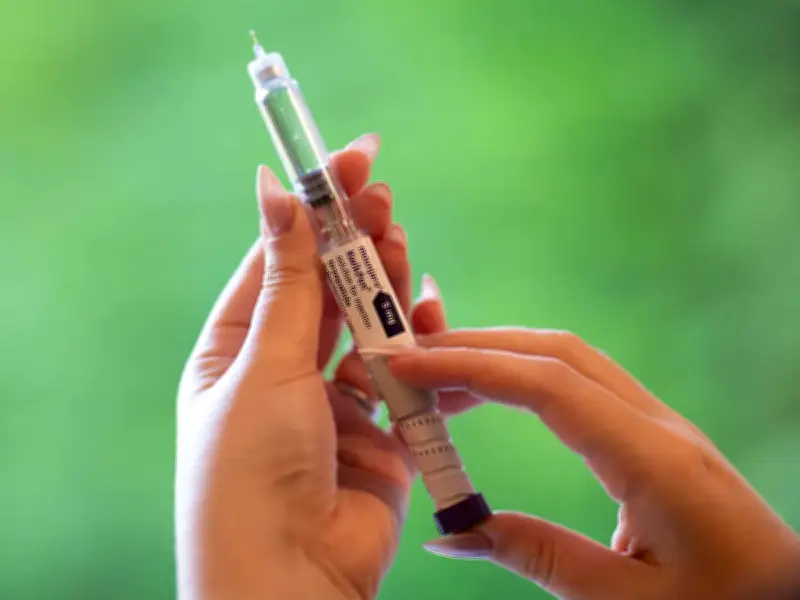
Stopping weight-loss injections such as Wegovy and Mounjaro suddenly can trigger rapid weight regain, increased appetite and blood sugar spikes, according to Dr Ann Nainan, a GP at the online weight-loss medication clinic Medicspot. She has shared a three-step method to minimise and slow down weight regain after coming off the drugs.
Weight-loss medications continue to grow in popularity, with studies suggesting that one in eight Brits will take GLP-1 drugs by 2027. Dr Nainan said: "The duration that people take weight loss medications for varies depending on each individual's reasons for taking the drugs."
"For many users, the prospect of coming off weight loss medications can be daunting due to the potential side effects," she said. "However, before coming off the medication, it’s crucial to speak to a healthcare professional or an expert at an online weight loss clinic to ensure you do so safely and over a period of time. Stopping weight loss medications suddenly can pose health risks and potentially reverse the results you have achieved."
Why stopping suddenly is risky
According to researchers at the University of Cambridge, stopping GLP-1 medications such as semaglutide or tirzepatide often triggers an appetite and neurochemical rebound because the drug's artificial "brake" on hunger is removed. Studies show that people often experience rapid initial weight regain, averaging about 0.4 kg to 0.8 kg per month, though many still retain roughly a quarter of their total lost weight in the long term.
Recent BMJ research suggests weight often returns quickly after stopping weight-loss medication. A 2026 review in The BMJ found that people who stopped the newer weight-loss injections, semaglutide (Wegovy) and tirzepatide (Mounjaro), regained an estimated 9.9 kg (about 1.5 stone) on average within a year, around two-thirds of the weight they had lost.
As weight-loss medications help slow digestion and control "food noise", stopping them suddenly can lead to an increased appetite. Dr Nainan said that if this happens, the chances of food cravings and thoughts about eating intensify, "which can often lead to unhealthy eating and weight gain".
Because weight-loss medications are often prescribed to people with prediabetes and Type 2 diabetes, Dr Nainan says it's crucial to know that stopping the medication suddenly can lead to blood sugar spikes and unstable glucose levels. "This may result in medical treatment for the changes in blood sugar being required if left unmanaged," she said.
The three-step method to stop safely
For any users who want to stop taking weight-loss medications, Dr Nainan says it's important to do so safely by following these points: maintain healthy eating habits, exercise regularly, and plan weekly meals.
She explained that weight-loss medications should be used alongside a healthy diet. "It's important to maintain this post-medication," she said. "While occasional treats are fine to enjoy, healthy foods need to form the bulk of your diet to avoid rapid weight gain."
Exercising regularly is key to maintaining the results achieved while taking weight-loss medications, Dr Nainan stresses. "Alongside helping to stabilise metabolism and energy levels, exercise helps to keep the mind focused and avoid ‘food noise’ which can lead to unhealthy habits being introduced into your daily routine," she said.
"One of the key habits to avoid to allow for a safe transition off weight loss drugs is to avoid the urge to binge eat, which is difficult when living a busy life," she added. With that in mind, she recommends planning meals and cooking in bulk where possible, as this will reduce the need to grab ready meals and fast food for convenience.
She concluded: "If you are considering coming off your medication, then it’s important to seek advice from a professional or organisation that can offer you dedicated weight loss coaching, as they can create a plan and guide you through the process safely and effectively. If you take medications that affect your blood sugar levels, then it could be dangerous to stop suddenly."
Where to find support
The NHS offers official support options, and NICE guidelines recommend that people receive follow-up care. Your GP can refer you to a specialist weight management service, an NHS dietitian, or the free 12-week NHS Digital Weight Management Programme.
Private groups, such as Slimming World, also offer support for people stopping GLP-1 medication. They help you build healthy eating habits for the long term and cope with your appetite returning. You can also find emotional support, encouragement, and practical lifestyle advice in online peer groups, such as GLP-1 weight-maintenance groups on Facebook or in the Obesity Action Coalition.