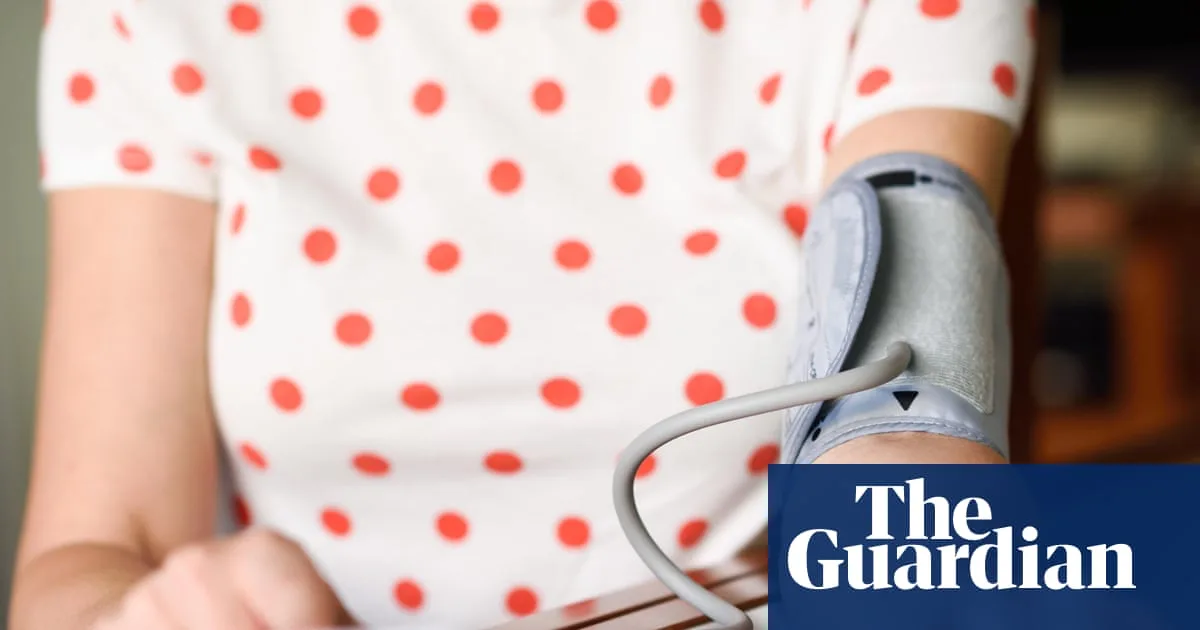
New mothers who had high blood pressure during pregnancy could reduce their risk of heart attack, stroke and early death by monitoring their blood pressure at home, according to a study from the University of Oxford.
The research, published in the journal Hypertension, found that women who checked their blood pressure daily and had their medication adjusted by doctors as needed had better functioning arteries nine months later than those who received standard care. The effect could reduce the future risk of heart attack or stroke by 10%.
High blood pressure in pregnancy, including gestational hypertension or pre-eclampsia, affects 5-10% of pregnant women. It can damage organs and endanger the baby, and raises the long-term risk of heart disease and premature death. The study involved 220 women who had hypertension in pregnancy and were on medication. Half used a home monitor and an app to share readings with doctors, who adjusted medication day to day; the other half had standard care with fewer checks.
Professor Paul Leeson, who led the study, said the weeks after birth provide a “powerful and often overlooked opportunity” to protect women’s future health. Dr Sonya Babu-Narayan of the British Heart Foundation, which funded the work, said the results highlight a crucial window for protecting heart health. Larger studies with longer follow-up are now needed.