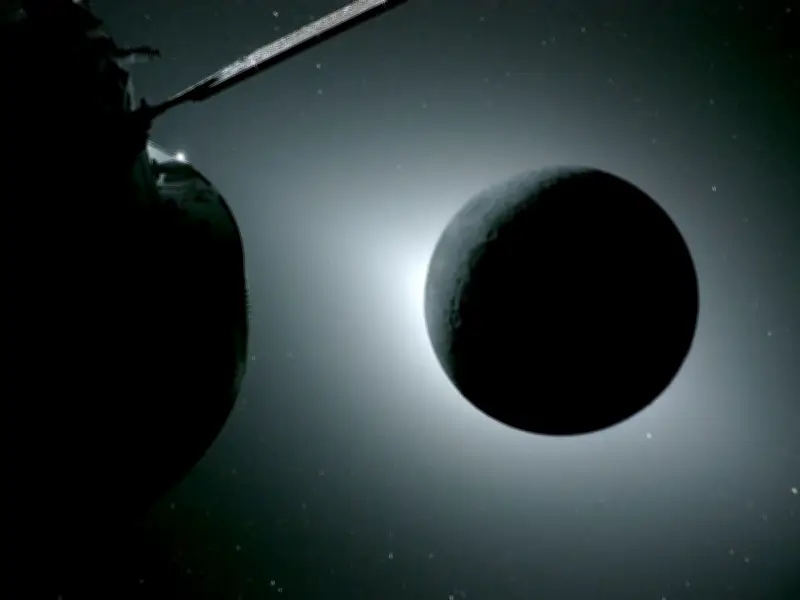
A solar eclipse will take place on the evening of August 12, with a partial eclipse visible across the UK and a total eclipse visible from parts of Europe. For the UK, the Moon will pass between the Earth and the Sun, obscuring around 90 per cent of the Sun from large parts of the country. It is set to be the deepest solar eclipse visible from the UK since the famous 1999 event, when totality crossed parts of Cornwall and Devon.
The amount of the Sun covered will vary by location. In Greater Manchester, sky watchers will see the Moon cover around 91 per cent of the Sun's light. In parts of Ireland, including Dublin, the Moon could obscure 94 per cent.
More than 90 per cent of the Sun's light will be blocked out at the peak of the eclipse, making it a significant event for observers across the country.
Where totality will be visible
People who are visiting European holiday hotspots will be lucky enough to see totality, which is when the Moon covers 100 per cent of the Sun. This includes the Balearic Islands in Spain, parts of mainland Spain including Bilbao, and the western strip of Iceland, which includes Reykjavik.
Timings for UK viewers
A spokesman for Royal Museums Greenwich said: "The new Moon and the Sun will gradually move closer together in the sky in the late afternoon. As the side facing us will be dark, the Moon will be invisible without specialist equipment."
The eclipse will begin at 6.17pm from London, with timings varying slightly from other parts of the UK and Ireland. The Moon will then move slowly in front of the Sun until the maximum, when roughly 90 per cent of the Sun is covered, at 7.12pm from London.
"At the maximum, enough of the Sun will be covered to make a noticeable difference in the temperature and light levels. However, unlike with a total eclipse, the sky will not become dark – it will feel more like a cloudy day or close to dusk or dawn."
They added: "After the maximum, the Moon will then slowly move off the Sun's disk until the eclipse ends, at 8.06pm from London. Getting to a high point with a clear view of the western horizon will allow you to see the whole event."
Eye safety warning
During an eclipse, the Sun appears dimmer than usual, which makes it easier to look at directly. The reduced brightness can override the body's natural reflex to look away, allowing intense sunlight to reach and damage the retina. This retina damage can happen without causing any pain, so you may not realise harm is occurring until it's too late.
After the 1999 total solar eclipse, the Royal College of Ophthalmologists reported around 70 cases of people experiencing vision problems after watching the eclipse, the UKHSA warned.
How to watch safely
There are two safe approaches to looking at the solar eclipse: specialist eclipse viewers or indirect viewing methods. If you want to use eclipse glasses or handheld solar viewers, make sure they are genuine, with specially designed filters that meet the international safety standard.
Genuine eclipse glasses can be purchased from reputable retailers, including Royal Museums Greenwich. The UKHSA warns people to be cautious of products sold online, as they may not meet the requirement.
Alternatively, you can watch the eclipse indirectly without any specialist equipment. Safe options include a pinhole viewer, which you can easily make at home; viewing the Sun's image projected through a colander or the gaps between tree leaves; or projecting the Sun's image onto a sheet of paper using a simple pinhole projector.