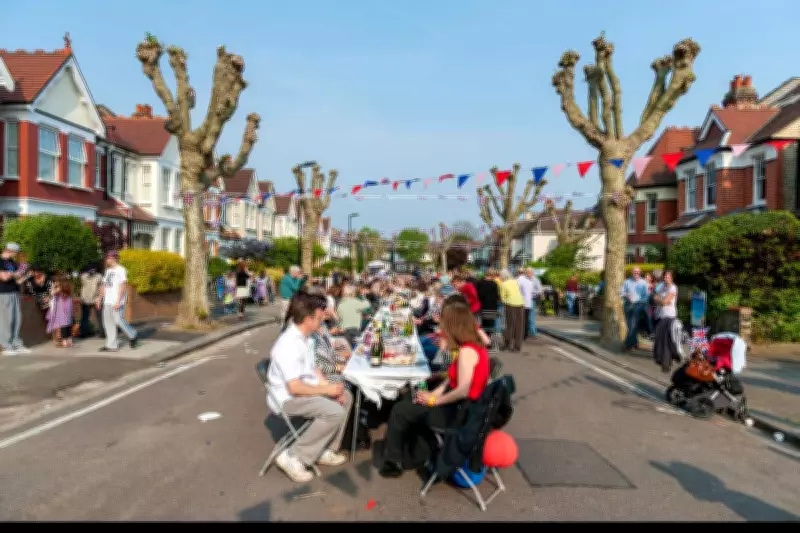
A recent survey has uncovered a significant rise in neighbourly support across the UK, with half of Britons turning to those living closest to them for help over the past 12 months. The poll, conducted for the neighbourhood network Nextdoor, highlights a 19% year-on-year increase in such interactions, driven largely by younger generations seeking practical everyday assistance.
Younger Generations Lead the Surge in Neighbourly Requests
Those in their 20s are at the forefront of this trend, with requests for neighbourly help soaring by 35% compared to previous years. This age group is closely followed by individuals in their 30s, who saw a 32% increase in seeking assistance from neighbours. The data reveals that one in four people in their 30s asked a neighbour for help and advice, while 21% of those in their 20s required support with emergency repairs and household fixes during the same period.
Most Common Forms of Neighbourly Assistance
Across British communities, the most popular type of help requested was asking neighbours to check on homes, which accounted for 36% of all requests. This was followed by assistance with moving heavy items and furniture, making up 24% of cases. Additionally, almost one in 10 Britons relied on neighbours for childcare and school runs over the past year, indicating a growing trust in local networks for essential daily tasks.

Barriers to Seeking Help and Community Engagement
Despite the uptick in neighbourly support, 19% of respondents who did not ask for help cited not knowing their neighbours well enough as the primary reason. However, the survey also found positive signs of community bonding: more than a third of Britons know their neighbours by name and regularly engage in conversations, and nearly one in five have shared a coffee or drink with someone on their street in the past year.
Expert Insights on the Revival of Local Connections
Anthropologist Dr Anna Machin commented on the findings, noting that longer commutes, rigid working patterns, and digital convenience had previously reduced reliance on neighbours. She stated, "The younger generations in particular are rediscovering the value of those hyperlocal connections. As work and daily routines become more flexible and costs rise, neighbours are helping one another with childcare, sharing skills, or simply checking in on one another." Dr Machin emphasised that these everyday encounters, often referred to as 'weak ties' by sociologists, play a powerful role in fostering a sense of belonging.
Nextdoor's Perspective on Community Building
Alice Skeats from Nextdoor added, "Our research shows that the appetite for neighbourly connection is there but people just need a way in. Too many people are still holding back simply because they don't know who is around them. When that changes, communities function differently as they are able to respond faster, support one another, and feel more confident asking for help." The survey, conducted by Censuswide, involved 3,000 UK adults between February 23 and 27, providing a robust snapshot of current community dynamics in Britain.