
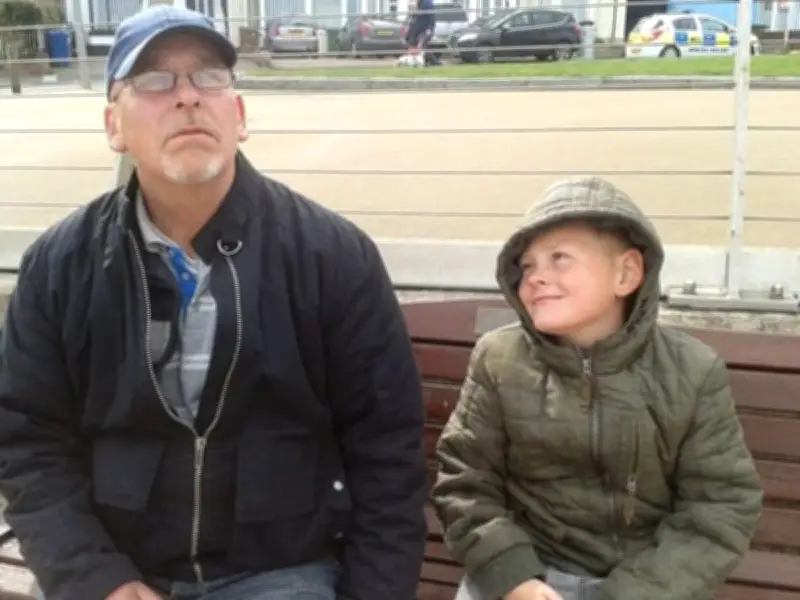
Terry Adams, a 68-year-old grandfather from Pontefract, West Yorkshire, died from prostate cancer after his condition went undiagnosed for nine years, despite multiple visits to his GP. His wife, Diane, 67, has spoken out about the 'unbearable' suffering he endured, blaming repeated failures in his care.
Repeated GP visits and ignored symptoms
Terry first visited his GP in 2012 at age 55 with symptoms including lower back and leg pain, as well as urinary problems. A PSA blood test in July 2012 indicated raised levels, suggesting possible prostate cancer. A consultant urologist recommended an urgent prostate biopsy in October 2012, but Terry was never informed of the letter, and the biopsy was never arranged.
Over the following years, Terry returned to his GP surgery on several occasions with ongoing symptoms, but his prostate was not properly investigated, and his PSA level was not re-checked. According to his family, he was 'not believed' when he reported his concerns.
Diagnosis came too late
In September 2021, Terry saw a different GP and underwent further tests after experiencing increasing pain. He was formally diagnosed with advanced prostate cancer in December 2021, at age 65. By that stage, the cancer had spread to his spine and bones, becoming untreatable. Terry was forced to retire from his job as a security guard just two weeks after his diagnosis and became reliant on a wheelchair.
His condition deteriorated, and he was admitted to the Prince of Wales Hospice in Pontefract in February 2024. He remained there until August 5, 2024, before returning home. He died four weeks later on September 2, 2024.
Family's grief and legal action
Diane Adams described Terry as her 'best friend and soul mate.' She said: 'When he started experiencing issues Terry thought he was doing the right thing by seeking medical advice. However, at no stage was he led to believe there was anything serious and he may have cancer. What hurts the most is knowing this didn't need to be how things turned out.'
She added: 'His last four days before he finally found peace were horrific and something I'll never ever be able to forget, especially knowing it could and should have been avoided.'
Before his death, Terry instructed lawyers at Irwin Mitchell to investigate his care. Two GPs have since admitted a breach of duty, acknowledging that Terry's prostate cancer should have been diagnosed in 2012 or shortly after, when it was still localised and curable.
Medical negligence lawyer speaks out
Rebecca Tramaseur, an expert medical negligence lawyer at Irwin Mitchell representing Terry's family, said: 'It's concerning that key signs of the disease were not acted upon. Terry's family are also raising awareness to improve patient safety and remind men of the importance of early detection and treatment.'
Terry's family hope that by sharing his story, they can prevent similar tragedies and ensure that other men with symptoms are taken seriously.




