
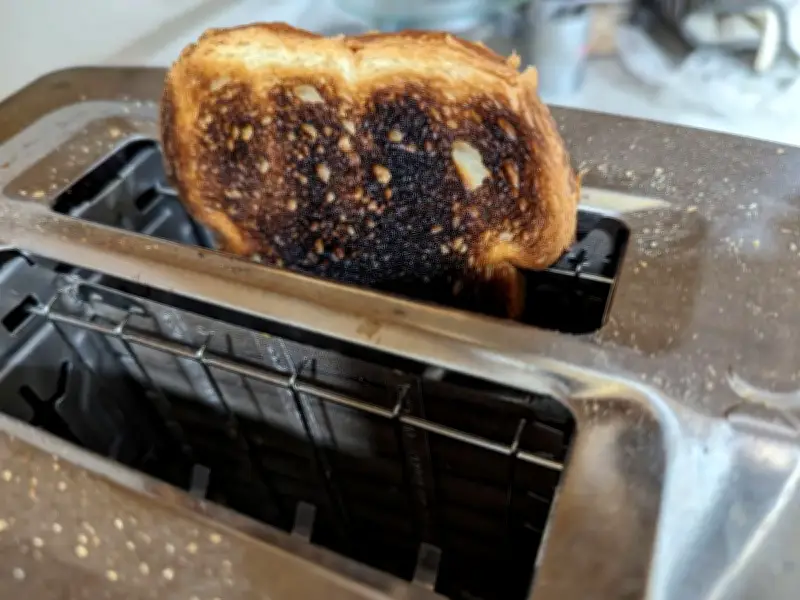
A GP has shared a simple “burnt toast” check to help people decide whether their sore throat can be managed at home or needs urgent medical attention. As colder weather arrives, many are experiencing flu, coughs and colds, and a sore throat can be both painful and debilitating.
Most sore throats can be eased with rest, hydration, over-the-counter pain relief and throat lozenges. But in some cases, symptoms may require immediate medical help and a call to the doctor's surgery.
What the NHS advises for sore throats
According to the NHS, sore throats are very common, usually nothing to worry about, and normally get better by themselves within a week. To soothe a sore throat and shorten its duration, the NHS recommends gargling with warm salty water (children should not try this), drinking plenty of water, eating cool or soft foods, avoiding smoking or smoky places, and sucking ice cubes, ice lollies or hard sweets – though young children should not be given anything small and hard to suck due to choking risk. Rest is also advised.
However, there are times when more urgent care is needed. Dr Patrick Moore, a GP partner at the Adam practice in Dorset, has shared a method for working out when self-care is not enough.
The 'burnt toast' method explained
Dr Moore said: “Having a sore throat is miserable, and it's natural to wonder if it's something you should just have to put up with, or if it's a sign of something more serious.” In a video, he explained how to tell the difference, what to do at home, and “most importantly”, when to contact the GP.
He said: “So, why is it important to know when to worry? Think of your symptoms as a kitchen fire alarm. Most of the time, that alarm is signalling burnt toast, a simple viral sore throat that your body will fight on its own. But very rarely, it can be a sign of a real fire that needs our help to put it out. Knowing the difference gives you the confidence to manage at home and the clarity to know when to call us.”
Red flags that require immediate care
Dr Moore advised that most sore throats last about a week, and the best approach is simple: use painkillers like paracetamol or ibuprofen, drink plenty of fluids and rest. He also highlighted key signs of a potential “real fire”: struggling to breathe, finding it hard to swallow, drooling, a muffled voice like speaking with a hot potato in the mouth, or a very high fever that does not come down with paracetamol or ibuprofen.
He said: “If your symptoms are like burnt toast, uncomfortable but manageable, then what you need to do is to focus on that self-care at home. Your local pharmacist can give you great advice on lozenges and sprays that can help soothe your pain. But if you have any of these real fire red flag symptoms. What you must do is seek medical advice straight away. To summarise, most sore throats, while painful, are minor problems that will pass. Focus on keeping yourself comfortable and giving your body time to recover. But please never ignore the alarm. If you are struggling to breathe, can't swallow, feel very unwell in yourself, and are getting worse instead of better, they need to contact us at the annual practice immediately.”




