A GP has named an everyday vegetable that she says is "better" for vitamin C than supplements like Berocca. Dr Mandakini Prabhakar, a Cambridge and Hertfordshire-based GP who posts online as Dr Mandy, said you are "better off" getting vitamin C from whole foods instead.
Why whole foods beat fizzy tablets
Dr Prabhakar also looked at whether it's worth paying more money for branded medicines and painkillers, saying: "Most big name shelf remedies are either over-priced paracetamol, boiled sweets or ingredients your gut destroys before they even get to work. Most winter bugs just need time, fluids and rest. Skip past the fancy packaging, stick to proven basics."
She added: "You don't need fancy paracetamol or ibuprofen. Exactly the same ingredients as generic supermarket versions but will cost you at least five times more. Instead pick up generic own brands from your supermarket or pharmacy. Work identically to heavily advertised brands and for a fraction of the cost."
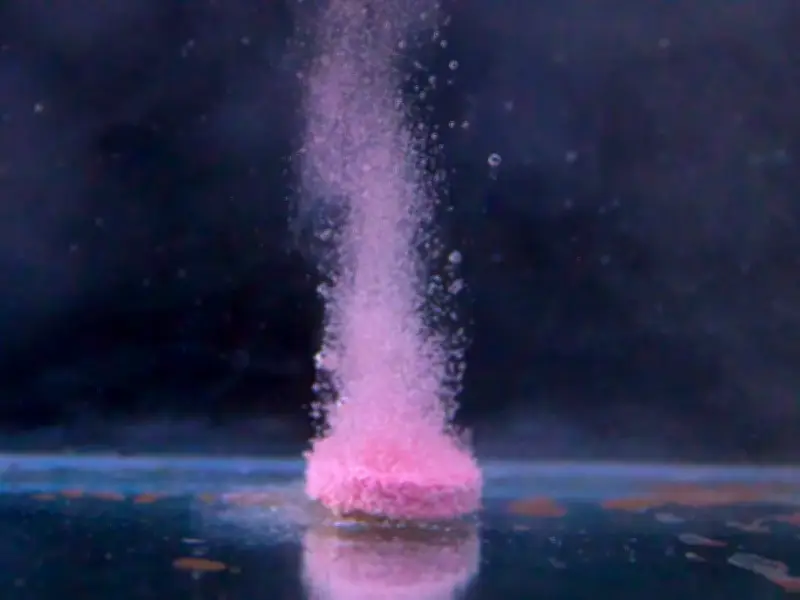
Turning her attention to vitamin C, she said "you're better off getting it from whole foods instead so you can get all the amazing polyphenols, nutrients and gut-boosting fibre too". She flagged golden kiwis and red peppers as "excellent sources" of vitamin C, saying they were "better than a fizzy tablet".
Limited benefit once a cold has settled
Holding a tube of Berocca, she said: "This might surprise you but once a cold has settled in, high dose vitamin C actually has limited benefit. The origins of this myth trace back to claims from the 1970s. Your body can only absorb so much, the rest just ends up in your wee. Make sure you're taking your vitamin D this winter instead."
Her statements are backed by other doctors. Dr Jesse Bracamonte of the famous Mayo Clinic said: "We know that vitamin C does help your immune system function well. It helps with wound healing, helps with even collagen and joint protection, and even some tendon protection. Overall, though, vitamin C taken in extra doses to prevent common colds hasn't proven true."
What the research says
Dr Bracamonte added that you should be getting enough vitamin C if you're including fruits and vegetables in your diet. A 2013 study concluded that vitamin C supplementation did not reduce the incidence of colds in the general population and that "routine vitamin C supplementation is not justified".
It said that although "regular supplementation trials have shown that vitamin C reduces the duration of colds... this was not replicated in the few therapeutic trials that have been carried out". But it also added: "Given the consistent effect of vitamin C on the duration and severity of colds in the regular supplementation studies, and the low cost and safety, it may be worthwhile for common cold patients to test on an individual basis whether therapeutic vitamin C is beneficial for them."
Berocca does not claim to prevent or shorten colds. On its website it says vitamin C "is most well-known for supporting your immune system, but it also supports energy release and iron absorption". It acknowledges that "you should be able to get all the vitamin C you need from a healthy and balanced diet".