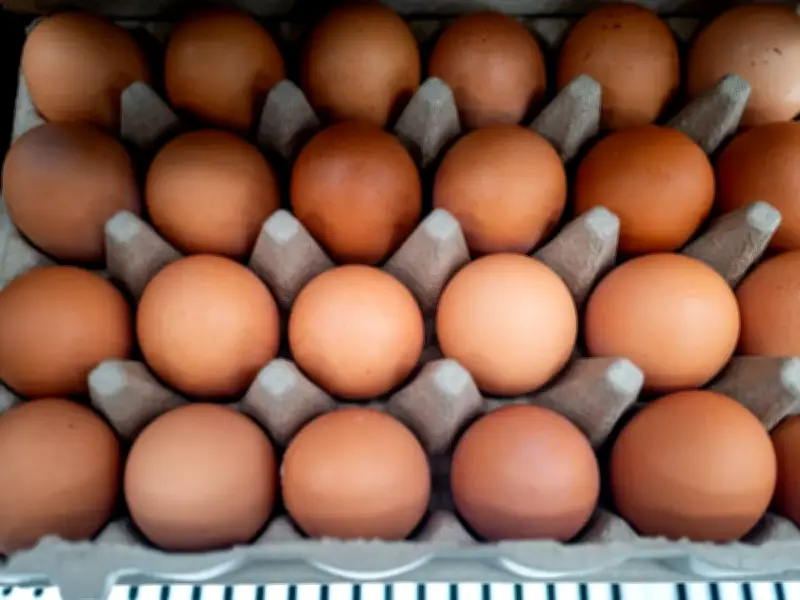
The Food Standards Agency (FSA) has issued an urgent warning after Salmonella Enteritidis was found in eggs imported from one Ukrainian food business. The agency is urging consumers not to eat any affected products and businesses to withdraw and recall them as they may be unsafe.
The warning follows an ongoing investigation into an outbreak of Salmonella Enteritidis thought to be linked to imported eggs. Earlier this year, the UK Health Security Agency (UKHSA) issued a health warning after an outbreak in August in which a person died and hundreds of people were affected by food poisoning, reportedly linked to eggs imported from outside the UK.
FSA Issues Urgent Warning
The FSA has called on businesses to withdraw and recall eggs from the Ukrainian supplier. The advice states: "If people have bought any of the affected products, do not eat them and instead, dispose of them at home, as they may be unsafe."
The agency added: "While most eggs are used within the catering supply chain, some eggs may be available for retail sale in small shops. These eggs are not sold in large retailers like supermarkets."
Egg sampling was carried out as part of the ongoing investigation. The UKHSA found Salmonella Enteritidis in samples of eggs from the Ukrainian supplier and performed whole genome sequencing, which showed the strain did not match the outbreak strains currently under investigation. However, the strain from the eggs was linked to 36 cases of salmonella infection reported in England in 2026.
Advice from FSA
Jacquelyn McCormick, head of incidents at the FSA, said: "We have identified Salmonella Enteritidis in eggs that were imported from a business in Ukraine and taken urgent action to protect public health and advised that any affected product on the UK market is withdrawn and recalled. It is important to say however that eggs produced in the UK are not affected."
She added: "Eggs bought in major supermarkets are produced in the UK, and therefore not affected by this outbreak. This issue relates specifically to eggs from one business in Ukraine, which are primarily supplied through wholesalers and the catering supply chain, but also sold at small retailers."
McCormick continued: "We are urging businesses and consumers to follow our advice in the Food Alert For Action. Consumers should not eat these eggs and businesses should withdraw them, and where retail sales have occurred, recall them, as these eggs may be unsafe to eat."
The FSA is working with local authorities to ensure the alert is actioned swiftly. The agency continues to review wider measures relating to the source of the current outbreak and is working with international partners as part of its ongoing investigation.
What Is Salmonella?
According to the UKHSA, there are more than 2,500 different types of salmonella. These bacteria live naturally in the guts of many domestic and wild animals, including chickens, cattle, pigs, hedgehogs, snakes and lizards.
Most people become infected through eating contaminated food. Salmonella can be found in foods such as eggs, chicken, pork and dairy products. Fruit and vegetables can also carry the bacteria if they have been in contact with livestock, manure or untreated water.
Officials warned that babies, young children, pregnant women and older people should only eat thoroughly cooked eggs in restaurants and cafes. Doctors from Cleveland Clinic shared the main symptoms to look out for, including diarrhoea (sometimes bloody), fever, stomach pains or cramps, nausea and vomiting, and headache.
Salmonella can be contagious. Advice said: "You can get it from another person or even your pet. If you don’t wash your hands after going to the bathroom or while you’re sick, you can contaminate surfaces and food. This can spread the infection to other people."
Most people can manage salmonella infection without needing to see a doctor. The UKHSA recommends staying at home, drinking clear fluids and electrolytes, avoiding fatty or spicy foods and taking paracetamol if you are in discomfort. Experts also advised avoiding fruit juice or fizzy drinks, as these can make diarrhoea worse.