
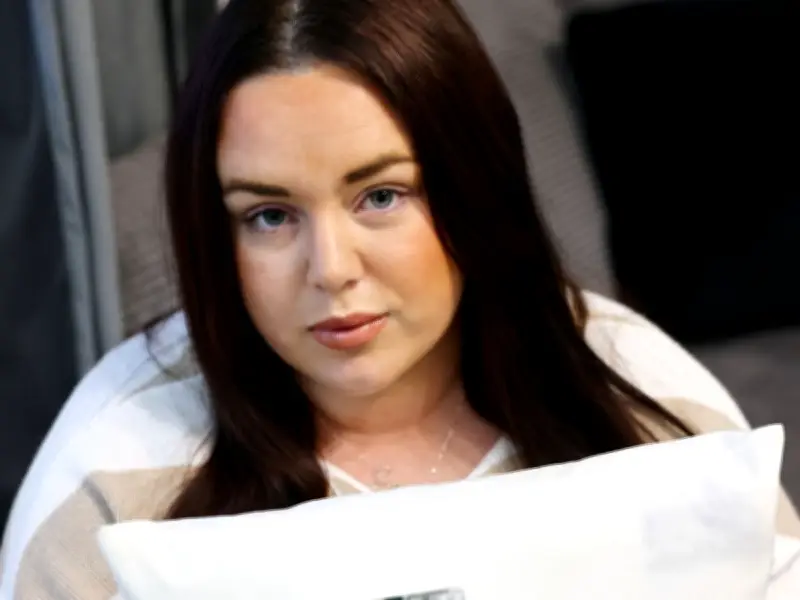
Amie Evans, a teaching assistant from Forest Hall, has expressed pride that the legacy of her stillborn daughter Seren is helping to drive critical improvements in maternity care. Alongside her partner Lewis Landells, Amie lost Seren last autumn after multiple hospital visits for reduced fetal movements were not acted upon in time. Despite the trauma, she has chosen to speak out to prevent similar tragedies.
Regional collaboration to improve safety
Amie has met with senior midwives and doctors at Newcastle Hospitals NHS Trust, which was not responsible for her care, to ensure Seren's story is used as a learning tool across the region. She told ChronicleLive: "I was able to meet with directors at the RVI, where they are taking Seren's story on board and taking it all of the region. They have asked me to go in in future and to record a video for training, too."
Jenna Wall, director of midwifery at Newcastle Hospitals NHS Trust, said: "We are working closely with Amie following the devastating loss of her baby, Seren. Whilst her experience did not take place within our organisation, we are profoundly grateful for her courage and determination to improve care for others across the region."
National spotlight on maternity failures
The push for change comes amid two national reports—the Amos Review and the Ockenden Review—published in the last fortnight, highlighting repeated failures in maternity care across the UK. Amie noted the trauma of seeing other families share their stories but remains focused on Seren's legacy. "It makes me proud that Seren has not been forgotten about or brushed under the carpet and I hope that talking about Seren's story will help to save other babies' lives," she said.
MP Catherine McKinnell, who represents Newcastle North, has raised Seren's case in Parliament and referenced it again this week. McKinnell previously brought a Clinical Negligence Bill to the House of Commons and has spoken about her own negative experiences with maternity care. On Tuesday, she said: "The circumstances leading to the Amos Review and the Ockenden Review are nothing short of heartbreaking. It shouldn't need to be said, but women must now be front and centre of clinical decisions on maternity units at all times."
Reduced fetal movements: a critical warning sign
Amie has set up a local support group for others who feel failed by maternity care and emphasises the importance of advocating for oneself. She previously advised: "If you think you are experiencing something like reduced movements of your baby, don't let them fob you off, don't let them tell you you can go home until you're sure."
The NHS website advises that there is no set number of movements to count each day, but it is crucial to get to know your baby's usual pattern. It states: "If your baby is not well, they may be less active than usual. Less movement can be a sign of a problem. The sooner this is found out the better, so you and your baby can be given the right treatment and care. This could save your baby's life."
Commitment to cultural change
Jenna Wall added: "Together, we are focusing on raising awareness of reduced fetal movements in pregnancy and, critically, reinforcing the importance of listening to women and families, and making it as easy as possible for them to raise concerns. These are not just clinical issues—they are about culture, compassion, and ensuring every voice is heard and acted upon."
Amie's story continues to resonate, with her group providing support and her advocacy ensuring that Seren's legacy endures. Charities such as Tommy's and Sands offer support for those affected by baby loss.




