
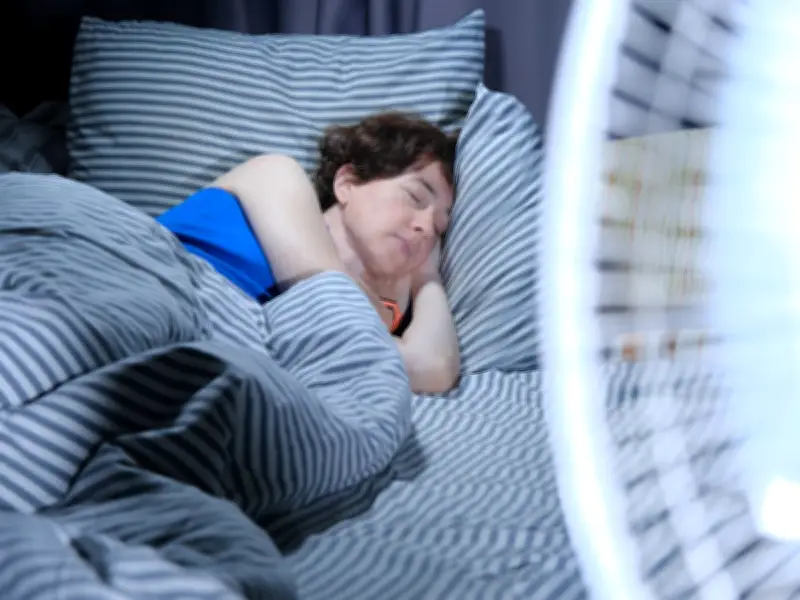
As the UK swelters under a brutal heatwave with temperatures reaching 35C, a doctor has warned that a common sleep habit—leaving an electric fan on all night—could be making things worse for allergy sufferers. The warning comes as the Met Office issues rare red-level heat alerts for parts of the UK, indicating a risk to life and significant disruption.
Fan Use and Allergy Risks
According to Dr Naheed Ali, speaking to Kool FM, leaving a fan on overnight can stir up dust and other particles in the bedroom, potentially aggravating symptoms for those with allergies. 'The continuous airflow produced by a fan can disturb settled dust, potentially irritating the eyes, throat and nasal passages of those who are sensitive to allergens,' Dr Ali said.
The NHS notes that conditions such as hay fever can be triggered or worsened by airborne particles including pollen, dust and pet dander, which may be more pronounced in enclosed indoor spaces during warmer months.
Drying Effects and Sleep Quality
Health specialists also point out that the moving air from a fan can have a drying effect in the room, causing discomfort in the nose and throat during the night, especially where air conditioning or ventilation is restricted. The UK Health Security Agency has previously cautioned that hot weather itself can seriously hamper sleep quality, as elevated overnight temperatures make it harder for the body to regulate its core temperature.
Studies referenced by the Sleep Foundation indicate that cooler surroundings generally promote better sleep, though excessive airflow or environmental irritants can reduce comfort for those with respiratory sensitivities.
Practical Advice for Coping with Heat
While fans remain a widely used and affordable means of coping with extreme heat, experts emphasise that their impact can vary depending on personal sensitivity, room cleanliness and existing respiratory conditions. Practical guidance from health authorities includes ensuring bedrooms are well-ventilated before bed, keeping dust levels down through regular cleaning, and opting for lighter bedding to help manage body temperature on hot nights.
As the UK continues to endure lengthy spells of extreme heat, officials say maintaining good sleep quality is becoming ever more crucial for health and wellbeing, particularly for those vulnerable to heat stress or respiratory irritation.




