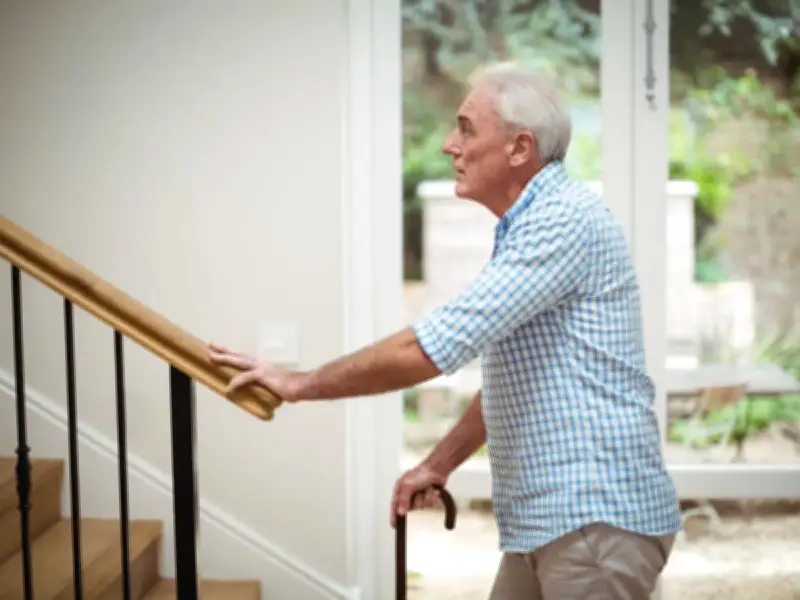
A little-known sign of dementia could become apparent when someone uses the stairs, with experts highlighting movement-related symptoms that are often overlooked. Dementia affects almost one million people in the UK and is marked by a continuous decline in brain function, leading to memory problems, behavioural changes, and difficulties with thinking, communication, and everyday activities. Less widely recognised are the physical consequences, including effects on mobility.
Difficulty navigating staircases
Alzheimer Scotland, a charity committed to dementia support, identified a specific movement-related symptom that may show up on stairs. The charity explained that people often assume memory loss and dementia are the same, but there are other key symptoms and signs to look out for. It noted that every person with dementia is different, and how the illness affects them depends on which areas of the brain are most damaged.
As a result, people living with dementia may find it hard to lift their legs and could be at greater risk of slips or tumbles. The charity said dementia can cause problems with how people move about in their surrounding area, and incidents like slips, trips, and falls might become more frequent. It added that a person might start shuffling rather than lifting their legs when they walk.
Stair safety and management
Worries about stair mobility can be tackled through various safety precautions. The Alzheimer's Society emphasised the importance of stair safety, stating that falls on stairs and steps can cause injuries, so it is important to make them safe. Recommended measures include replacing worn or damaged carpets and floor coverings, checking that bannisters are robust, using paint or special stair edging to highlight each step clearly, installing easy-grip handrails along both sides of the staircase, and maintaining clear, clutter-free stairs while avoiding carrying too much at once.
Strength and balance workouts can also improve mobility. The charity highlighted that the risk of falling can be reduced by doing strength or balance exercises twice a week. These could include movements like sitting, standing, and walking, with a GP able to refer people to a physiotherapist for bespoke exercises. The property should also be checked for possible dangers such as loose rugs, carpets, and obstacles.
Other dementia signs to watch for
Other dementia signs detailed by the NHS include memory loss, thinking speed, mental sharpness and quickness, language issues such as using words incorrectly or trouble speaking, understanding, judgement, mood, doing daily activities, losing interest in usual activities, managing behaviour or emotions, finding social situations difficult and losing interest in relationships and socialising, personality changes, and hallucinations.
If you or someone you know is experiencing symptoms of dementia, you should speak to a GP.