
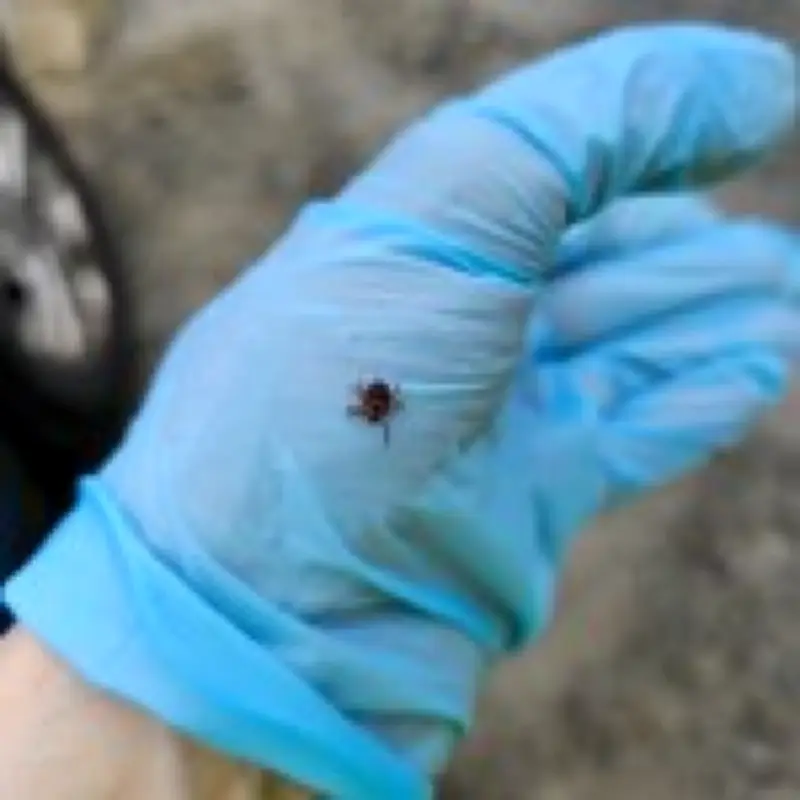
The Powassan virus, a rare and potentially deadly tick-borne illness with no cure, is spreading across the United States at historically high levels. In 2025, 76 Americans were diagnosed with the virus, the highest number on record and a sharp increase from the average of seven diagnoses per year.
What Is Powassan Virus?
First identified in a four-year-old boy in 1958, the Powassan virus is transmitted through the bite of infected woodchuck or deer ticks. Unlike Lyme disease, which requires 36 to 48 hours of tick attachment for transmission, Powassan can be transmitted in as little as 15 minutes, according to Dr Jorge Parada, a medical advisor at the National Pest Management Association in Chicago.
Geographic Spread and Symptoms
Most cases are concentrated in the Northeast United States, the Great Lakes region, and Canada. Symptoms may not appear for up to four weeks after exposure. The CDC lists initial symptoms including fever, headache, vomiting, and weakness. Severe illness can cause confusion, loss of coordination, difficulty speaking, and seizures. Complications may include encephalitis and meningitis.
No Cure, Only Supportive Care
There is no specific treatment for Powassan virus. The CDC recommends rest, fluids, and over-the-counter pain medications. Severe cases may require hospitalization for breathing support, hydration, or reducing brain swelling.
Alpha-Gal Syndrome Also on the Rise
Experts warn that alpha-gal syndrome, a potentially life-threatening meat allergy triggered by tick bites, is also increasing. First linked to tick saliva 15 years ago, the allergy causes an immune response to alpha-gal, a sugar found in mammalian meat. Symptoms can occur hours after consuming meat or cheese. The allergy does not affect poultry, seafood, chicken, turkey, or eggs.
Spread and Prevalence
Alpha-gal syndrome is most commonly associated with lone star ticks, native to the Americas, but scientists now believe other ticks, including the black-legged tick (sheep tick in the UK), can also spread it. The CDC estimates 450,000 Americans have developed alpha-gal syndrome. In the UK, the allergic response remains very rare.




