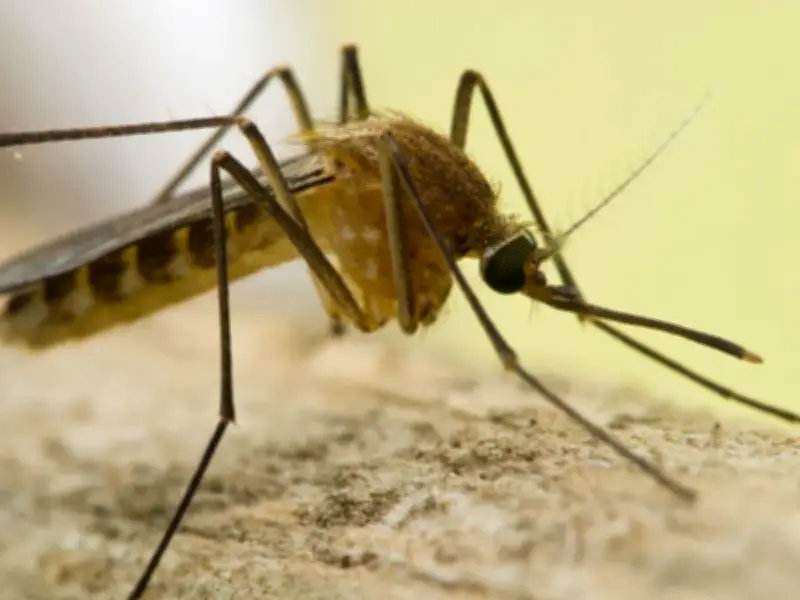
A 74-year-old man is in intensive care in Cyprus after becoming the country's first confirmed West Nile virus case of 2026. The mosquito-borne infection has no approved human vaccine.
Patient in serious condition at Nicosia General Hospital
The Cyprus Ministry of Health confirmed the patient is being treated in the Intensive Care Unit at Nicosia General Hospital after being admitted with encephalitis, a potentially life-threatening swelling of the brain. Hospital sources said the man remains in a serious condition but has shown signs of improvement.
Officials say the pensioner had not travelled outside Cyprus, meaning he is believed to have been bitten by a local mosquito. Health authorities have launched an investigation into where he may have been infected and said extra mosquito-control measures will be introduced where needed.

How West Nile virus spreads and who is at risk
West Nile virus is spread by infected mosquitoes and does not pass from person to person through ordinary contact. Most people who catch it have no symptoms at all, but fewer than 1% develop severe neurological illness such as encephalitis.
Older people and those with weakened immune systems are at greatest risk. There is currently no approved vaccine for humans and no specific antiviral treatment for West Nile virus, KNews reported. Doctors can only provide supportive care, which can include hospital treatment for complications.
Response measures and public advice
Officials stressed there is no reason to panic, noting sporadic cases can occur almost every year in Cyprus, particularly during peak mosquito season. As part of the response, teams are carrying out targeted spraying to reduce mosquito populations, focusing on areas where the man may have been bitten.
The Health Ministry also urged the public to take simple steps to reduce bites and limit breeding sites. Advice includes emptying stagnant water from flower pots and containers, fitting window screens, wearing long sleeves and trousers, and using insect repellent.
Rising cases across Europe
The case comes as West Nile infections rise across southern and central Europe, linked to warmer temperatures and longer summers. Data from the European Centre for Disease Prevention and Control (ECDC) shows more than 429 human cases have been reported across nine European countries so far during the 2026 mosquito season.
Italy is currently the worst affected, with 224 cases reported across 40 areas, mainly in northern regions including Padova and Cremona. Greece has logged 105 cases with heavy circulation around the wider Athens region (Attica), while Spain has reported 42 cases with unusually early seasonal activity beginning in spring. North Macedonia has recorded 30 cases and four deaths, mostly in adults over 60.
Other locally acquired cases have been reported in Romania (18), France (6), Serbia (2), and single cases in Germany and Kosovo. Health agencies including the World Health Organisation advise avoiding bites - especially at dawn and dusk - by using DEET, picaridin or IR3535 repellents, covering up, and removing standing water around homes.