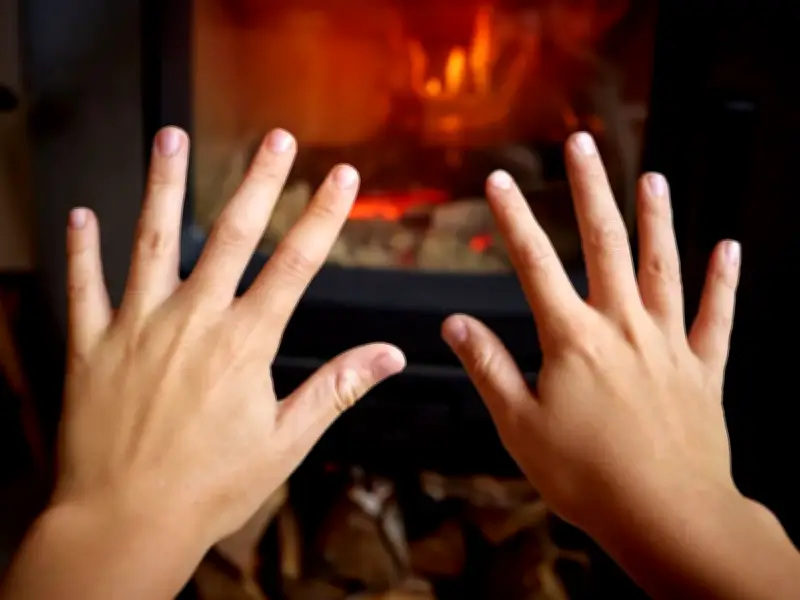
Persistently cold hands, even when others feel warm, could be a sign of an underlying medical condition such as an underactive thyroid, iron deficiency, or poor circulation, according to Rachel Jones, Pharmacy Superintendent at Superdrug.
Underactive Thyroid and Circulation
Jones explains that an underactive thyroid, or hypothyroidism, is a lesser-known cause of constantly cold hands. The thyroid gland in the neck produces hormones that regulate metabolism, including how the body uses energy and generates heat. When the thyroid does not produce enough of these hormones, metabolism can slow down, making a person more sensitive to cold temperatures.
If cold hands are accompanied by persistent tiredness, unexplained weight gain, dry skin, constipation, or thinning hair, it may be worth speaking to a GP. A simple blood test can check thyroid hormone levels and help identify whether an underactive thyroid is responsible.
Circulation and Raynaud's Phenomenon
Hands and feet are often the first body parts to feel cold because they are furthest from the core. When temperatures drop, the body naturally narrows blood vessels in the hands and feet to preserve warmth around vital organs. However, if hands are regularly cold even in warm environments, or if there is numbness, tingling, or pain, it could indicate an underlying circulation issue. Keeping active, avoiding smoking, and taking regular breaks from sitting can support healthy circulation, but persistent symptoms should be checked by a healthcare professional.
If fingers suddenly turn white or blue when cold or stressed, it could be Raynaud's phenomenon, a condition where small blood vessels in the fingers temporarily narrow, reducing blood flow. As blood flow returns, fingers may turn red and feel tingly, painful, or numb. These episodes can happen even with small temperature changes, such as reaching into the freezer or holding a cold drink. Wearing gloves, keeping the whole body warm, and avoiding sudden temperature changes can help manage symptoms, but regular or worsening colour changes should be discussed with a GP.
Iron Deficiency and Stress
Iron helps red blood cells carry oxygen around the body. Not getting enough iron can lead to iron deficiency anaemia, which can cause unusual coldness, particularly in the hands and feet. Other symptoms include tiredness, dizziness, headaches, shortness of breath, and looking paler than usual. Jones advises speaking to a GP about a blood test to check iron levels if these symptoms occur. While iron-rich foods such as lean meat, beans, lentils, and leafy green vegetables can support a healthy diet, it is important not to start taking high-dose iron supplements without checking whether they are needed.
Stress can also make hands feel cold. The body's fight-or-flight response narrows blood vessels in the extremities, directing more blood to vital organs and muscles, which can leave fingers feeling cold or clammy. Managing stress through physical activity, breathing exercises, and adequate sleep may help, but persistent cold hands should not be assumed to be stress-related alone.
When to Seek Medical Help
Occasional cold hands are usually nothing to worry about, particularly during colder months. However, if hands are constantly freezing even indoors and warm, it is worth paying attention to other symptoms. Changes in skin colour, persistent numbness, pain, unexplained tiredness, or weight gain could indicate something else is going on.
Urgent medical help is needed if a hand or finger suddenly becomes very cold, pale, or blue and painful, especially if the colour does not return when warmed up. Jones advises speaking to a pharmacist or GP, who can help determine the cause and whether further checks, such as a thyroid function or iron blood test, are needed.