
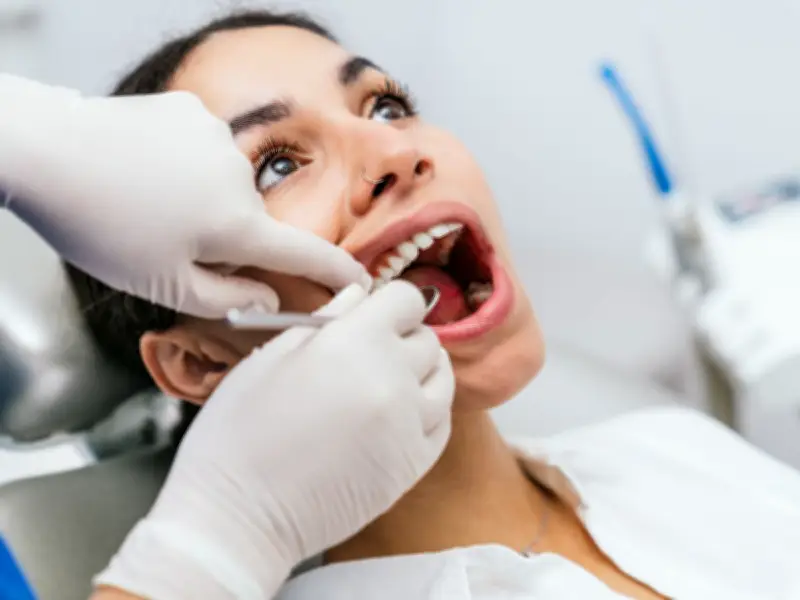
A dentist has warned that chewing ice, a common habit during heatwaves, can cause serious tooth damage and result in costly dental bills of up to £300. Dr Jyothi Chintamani from Dental Arch explained that biting down on ice cubes puts unnecessary stress on teeth, increasing the risk of chips, cracks, and damage to existing fillings or crowns.
Why ice is harmful to teeth
Unlike most foods, ice does not soften under pressure, forcing teeth to absorb the full force of crunching. Over time, this can create tiny fractures in enamel that may not be noticeable immediately but can worsen. Dr Chintamani said: “Sometimes people don't realise they've damaged a tooth until weeks later, when they suddenly notice pain while eating or drinking. By then, what started as a small crack may need much more extensive treatment.”
Higher risk for those with dental work
For individuals with fillings, veneers, or crowns, the risk is even greater as ice can weaken existing dental work. Chewing ice can also trigger sensitivity, especially in those with worn enamel or exposed dentine. Dr Chintamani added: “Experiencing sensitivity when drinking something cold or biting down on ice chips is your teeth telling you something isn't quite right. If you regularly experience sensitivity, it's worth getting it checked rather than simply putting up with it.”
Cost of repairs
Repairs to a chipped or cracked tooth can cost hundreds of pounds. The dentist stresses that breaking this summer habit can save significant expense and pain. Her warning has been echoed by other dentists on social media, who also encourage people to avoid chewing ice.
Heatwave continues
The UK has experienced record-breaking temperatures, prompting many to seek cooling methods. The Met Office's long-range forecast suggests that while scorching temperatures may ease slightly, they are still likely to remain above average through late July, with a greater chance of rain or thunderstorms.




