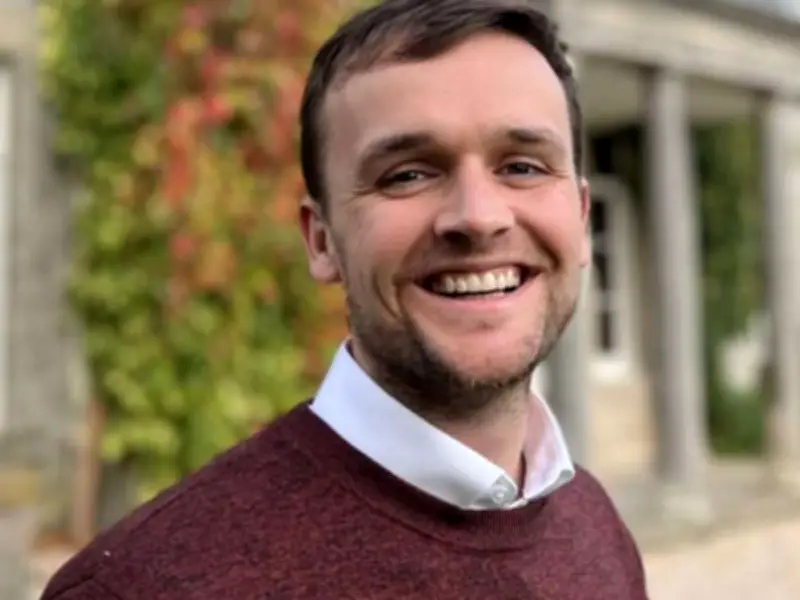
Therapist Ross McLeod, a leading expert at Castle Craig addiction treatment centre in the Scottish Borders, has exposed the dangerous reality of chemsex drugs, warning of a growing crisis of blackouts, trauma, and overdoses across Scotland. Overdoses of GHB and GBL, collectively known as G, are becoming increasingly common in emergency services, as these substances are used before or during sex to enhance experiences.
The Hidden Psychological Toll
McLeod, who works with individuals navigating the psychological aftermath of chemsex, explains that the immediate crisis often masks deeper issues. Patients may arrive after a G overdose, stabilised in A&E, but face intense shame, confusion, and uncertainty about consent due to blackouts. These experiences frequently lead to anxiety, depression, and suicidal thoughts. Stigma and misunderstanding surrounding chemsex make it difficult for individuals to discuss their experiences, fueling isolation and further substance use.
Misconceptions About G Overdoses
McLeod emphasises that a G overdose is not simply passing out and waking up. The drugs can rapidly push a person from relaxation into heavy sedation, coma-like unresponsiveness, and respiratory depression, especially when mixed with alcohol. This state significantly impairs consent, and memory loss leaves unanswered questions that can cause long-term distress.
A Missed Opportunity for Care
While stopping G use is a crucial first step, McLeod notes that treatment must address underlying trauma, including sexual assault, coercion, and exploitation. However, there is no national chemsex strategy in the UK, and follow-up care varies by location. Many patients are discharged without support, missing a critical opportunity to prevent further harm. Castle Craig provides a space for open discussion without judgment, but McLeod calls for better integration of emergency departments, sexual health services, and addiction treatment to address the full impact of G use.
The reality, McLeod concludes, is that the impact of a G overdose extends far beyond the medical emergency. Without compassionate, informed support, the questions and trauma can persist indefinitely.