Labour's collapse in the Senedd Election 2026 was a historic fall from power, ending over a century of dominance in Wales. With just 11% of the vote, the party's worst fears were realized.
In the aftermath, WalesOnline spoke to numerous party figures to understand what went wrong. The sentiment is one of anger, bitterness, and disbelief, with many pointing to a combination of factors including unpopular UK policies, internal factionalism, and a chaotic campaign.
Who is to blame?
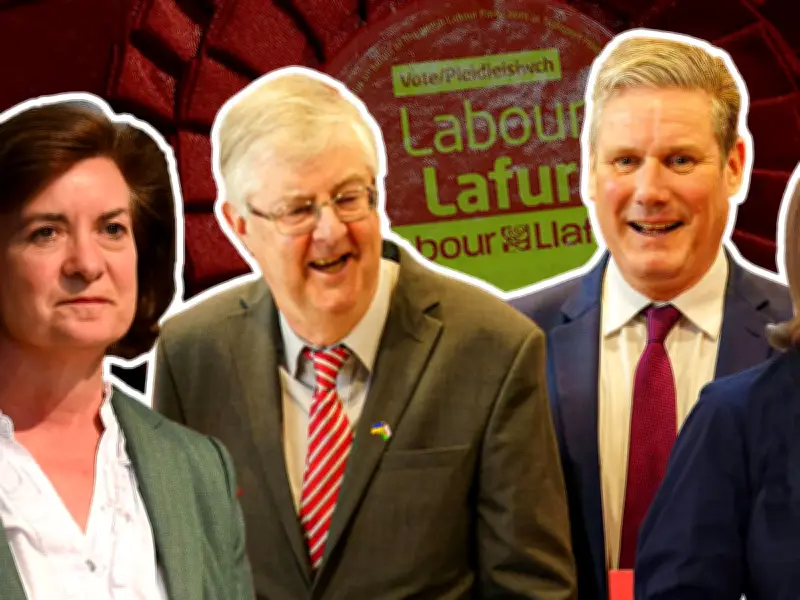
Former First Ministers Carwyn Jones, Vaughan Gething, and Mark Drakeford have all offered their assessments, as has Welsh Secretary Jo Stevens. While no single reason was identified, blame was notably not directed at Eluned Morgan, the leader since August 2024. Instead, two main themes emerged: the inevitable end of Labour's winning streak, and the intensifying factors of Keir Starmer's unpopularity, Vaughan Gething's donation scandal, and unpopular decisions like 20mph and Senedd expansion.
One source said of Morgan: "She was dealt a bad hand. She couldn't have done more." Another added: "The train was already moving; no matter how much she pulled the brakes she couldn't slow the train down."
Unpopular policies cut through
Doorstep campaigning revealed deep disillusionment. NHS waiting times, GP access, child poverty, and the 20mph speed limit were recurring grievances. In south west Wales, healthcare was a sore point; in Newport, the M4 issue lingered. Rail underfunding painted a picture of a party unable to influence its own leadership.
"It doesn't matter what you say to someone who doesn't believe you," one seasoned campaigner said. Plaid Cymru's message was "good, was different, and impossible to beat."
Labour's warring factions
Eluned Morgan became leader unopposed on a joint ticket with Huw Irranca-Davies, aiming to unite a divided Senedd group. However, Welsh Labour's factions—MPs, activists, staff, and councillors—remained deeply split, intensified by the events of 2024.
Vaughan Gething's £200,000 donation from a criminal was a major issue. The general election campaign in 2024 was more about protecting him than focusing on Wales, according to sources. His resignation left bitterness among both his supporters and those of Jeremy Miles, with personal animosities spilling over.
Lack of 'respect' for Eluned Morgan
Morgan inherited a "hollowed out" party with poor leadership. She was brought in with little authority, and her appointments of Kevin Brennan and Wayne David as advisors were questioned. Luke Young was later brought in as chief special advisor to sort out the chaos.
Sources said there was never enough respect shown to her as leader. "They just ignored her," one said, adding: "They wouldn't have treated Carwyn, Rhodri or Mark like that." Another said: "I have never seen a leader treated so badly, with so little respect." The term "glass cliff" was used to describe her appointment and treatment.
Leadership at the top
Many believe the buck stops with Joe Lock, the party's acting general secretary since September 2024. He oversaw the Caerphilly by-election loss and the Senedd disaster. "There was a complete lack of leadership in the organisation," one source said, with "too many cooks."
UK Labour's role
UK Labour failed to grasp that the main threat was Plaid Cymru, not Reform UK, sources said. They focused on saving Keir Starmer, with one source stating: "We're just going to lose Wales to save Keir." The Caerphilly by-election in October 2025 was a warning sign that was ignored.
A chaotic campaign
Candidate selection was cripplingly slow, and the campaign lacked dynamism. Matt Greenough was brought in as campaign director only weeks before the election, but by then it was too late. "The campaign was a mess," one senior source said.
Complacency and acceptance
Some candidates were complacent, with reports of single-figure door knocks on election day in Blaenau Gwent and Caerphilly. "Some people didn't deserve to win," we were told. Motivation slipped as polls showed the inevitable.
Post-election changes
Staffing changes and redundancies have been made at Transport House, including the dismissal of Bridie Sedgebeer and Alvin Shum. The loss of dominance has financial implications, with membership and donations drying up.
The countdown to May 2027
With morale low and experienced staff gone, few think Ken Skates can prevent another hammering at the 2027 council elections. "Council elections look like a bloodbath," one source said. "There are no safe areas for Labour councils." Even on a good night, "hundreds" of seats could be lost.
What has to change
Responses vary, but many call for wholesale change. Ken Skates, now leader, has promised to listen and publish a mission statement. However, his support for Vaughan Gething and his long tenure in government raise questions about whether he can be seen as "new." His early appointments from Morgan's team have also been criticized.
Sources question how those responsible for the disastrous campaign, including Joe Lock, have kept their roles. The arrival of Andy Burnham as Prime Minister and the departure of Holly Ridley add further uncertainty.
What Welsh Labour says
A party spokesperson said: "May's election results were catastrophic for the Party in Wales and we're not shying away from that. Ken Skates is clear that he is focussed on listening to voters and members to learn lessons. He's doing just that as he visits constituencies across the country. We'll continue to stand up for communities across Wales."