Blue Cross Warns Dog Owners: Dangerous Fruits and Veggies to Avoid
Blue Cross Warns: Dangerous Fruits and Veggies for Dogs

Animal lovers have been warned to exercise caution when feeding their pets, as not all fruit and vegetables are safe for dogs. While many dogs enjoy these healthy snacks, some common foods can pose serious risks.

Blue Cross Issues Alert

The animal welfare charity Blue Cross has issued an alert to dog owners, raising awareness about fruit and vegetables that could be dangerous for pets. In a Facebook post, the charity shared a reminder explaining which foods can be enjoyed in moderation and which are best avoided.

Blue Cross stated: "Not all fruit and veg are safe for dogs. Some make healthy, occasional treats, while others can be dangerous, even in small amounts."

Wide Pickt banner — collaborative shopping lists app for Telegram, phone mockup with grocery list

Safe and Unsafe Foods

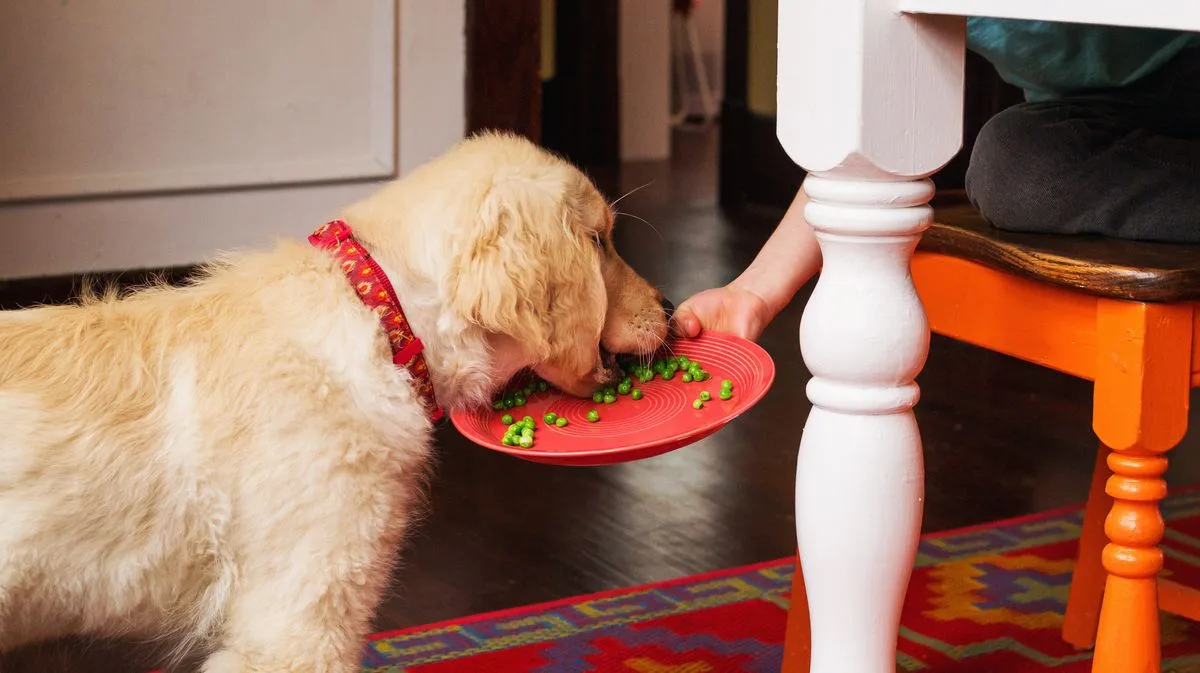
According to the charity, dogs can safely eat blueberries, bananas, apples, carrots, peas, cabbage, cooked potatoes, and cooked sweet potatoes. However, owners should avoid feeding their dogs tomato leaves, leeks, grapes, raisins, onions, wild mushrooms, garlic, avocado, and macadamia nuts.

Blue Cross provides a comprehensive food safety list on its website, detailing which fruits and vegetables are safe for pets. However, the charity emphasizes that fruit and vegetables should only make up a small part of a dog's diet.

"While fruit and vegetables are a good source of vitamins, minerals, and fibre, they should only make up a small amount of your dog’s daily diet," Blue Cross advises. "If you are unsure about how many fruits and vegetables your dog should eat, speak to your vet."

Feeding Guidelines

The charity also offers guidance on feeding quantities, noting that the amount depends on the dog's breed, age, and size. Owners are encouraged to follow the feeding guidelines on the food packet and weigh portions to avoid overfeeding or underfeeding.

Treats should be given in moderation, as they contain calories. Blue Cross explains: "All dogs enjoy treats, but all treats contain calories. This means you need to think about how many, and what type of treats you give when deciding how much to feed your dog. If your dog has more treats than normal one day, reduce the amount of food given that day to compensate."

Low-calorie treats are available for dogs prone to weight gain, and owners can make dogs work for treats by using treat balls or giving treats only during play or training exercises.

Pickt after-article banner — collaborative shopping lists app with family illustration




