
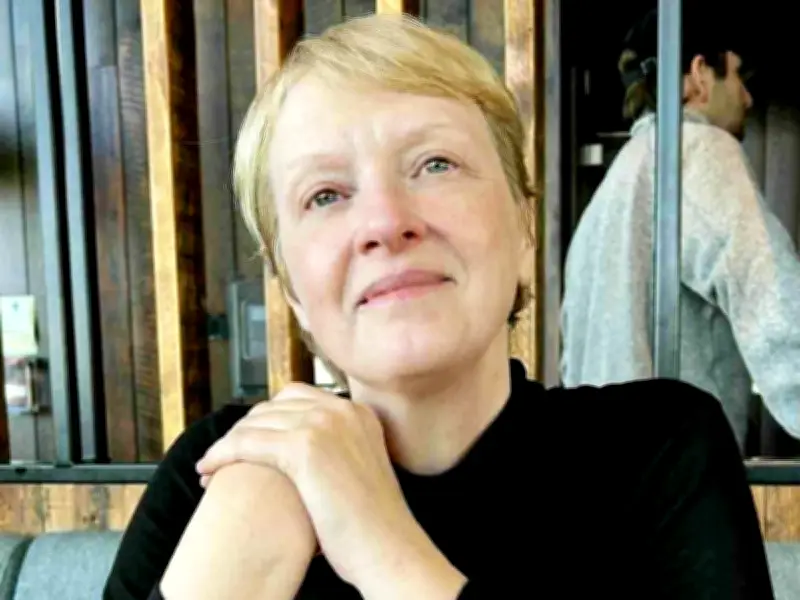
Dora Winslet, 61, from Bracknell, Berkshire, was diagnosed with acute myeloid leukaemia (AML) in 2021 after experiencing unusual bleeding and bruising. She had initially dismissed a spot of blood on her pillow as a scratch.
The symptoms began a year earlier when she woke up to a pound coin-sized spot of blood on her pillow, which she originally dismissed. Then she began getting blisters in her mouth, bruises, pale skin, and was out of breath, but she continued dismissing the signs.
It was only at her annual check-up at the doctors in January 2021 when she showed the blood blisters to her GP that she started to suspect there was a problem.
From dismissal to diagnosis
Dora said: “It was towards the end of 2020 when I woke up one morning with a pound coin-sized spot of blood on my pillow.”
“I thought perhaps I’d scratched my ear during the night, so didn’t make much of it. But then I started to get frequent blood blisters in my mouth. The dentist thought it looked like a possible auto-immune issue and told me to go to my GP as soon as possible.”
“I rode my motorbike there straight from the dentist, where my GP felt it was important I book an immediate blood test. I went straight to the hospital for that test.”
Two days later, Dora received a call from the haematologist at Wrexham Park Hospital and was diagnosed with acute myeloid leukaemia (AML), an aggressive form of blood cancer.
Treatment and recovery
Every year, almost 3,100 people in the UK are told they have AML, and nearly 80 per cent of those diagnosed will not survive beyond five years, according to Leukaemia UK. Having previously fought breast cancer in 2017, Dora says she never expected another deadly diagnosis, and she and her husband Graham were devastated.
She was admitted to hospital in early March to begin treatment right away, and did two rounds of chemotherapy each lasting a month. She said: “My husband was in tears. I was a little numb, but resolute. I was ready to go to war with this, as I had done with my breast cancer, and I wanted to get started whilst I was still strong.”
“Both rounds of chemo were very difficult. I broke out in chemo-rash, which looks similar to sunburn and turns into an ugly, patchy tan. The second round was the worst, my weakest, taking two extra weeks to recover. I remember collapsing on several occasions, and I was put on oxygen and needed help from the nurses to do very basic things.”
Dora spent much of her treatment in isolation as it took place during the Covid-19 pandemic, but she says a photo of her beloved poodle Oz kept her going. In August 2021, she received a third round of chemotherapy, followed by another intense two-day treatment, to prepare her for a stem cell transplant.
She made a quick recovery and returned home just two weeks after her transplant, but struggled with tasks such as walking - needing to crawl up the stairs. Dora developed Graft vs Host Disease and experienced digestive issues, which saw her in and out of hospital again. She also had to have blood transfusions every two weeks for four months, as it took a while for her red blood cell count to return to normal.
Return to biking and raising awareness
But she eventually regained her strength, and was able to get back to her passion of biking in no time. Dora has even taught Oz to ride with her in a secure doggy tank-bag wearing his special doggy goggles.
She said: “Taking Oz out every day as soon as I was able really helped build my strength. I was also encouraged by the two motorbikes in my garage that I was desperate to get back on.”
“People seem delighted with my little ‘hairy biker’ and often ask to take his picture. When we reached our destination, I hugged that bike. I am eternally grateful to the NHS for saving my life - twice!”
Dora is sharing her story in support of Leukaemia UK to raise awareness about the signs and symptoms of leukaemia. The most common symptoms are fatigue, bruising, unusual bleeding, and repeated infections.
Fiona Hazell, chief executive of Leukaemia UK, said: “We’re so grateful to Dora for sharing her story to help raise awareness of leukaemia. Most of the signs and symptoms are not specific, so can often get mistaken for other illnesses or be explained away.”
“Early diagnosis saves lives. That is why we encourage anyone with symptoms to make sure it’s nothing serious by speaking to their GP and asking for a full blood count test.”




