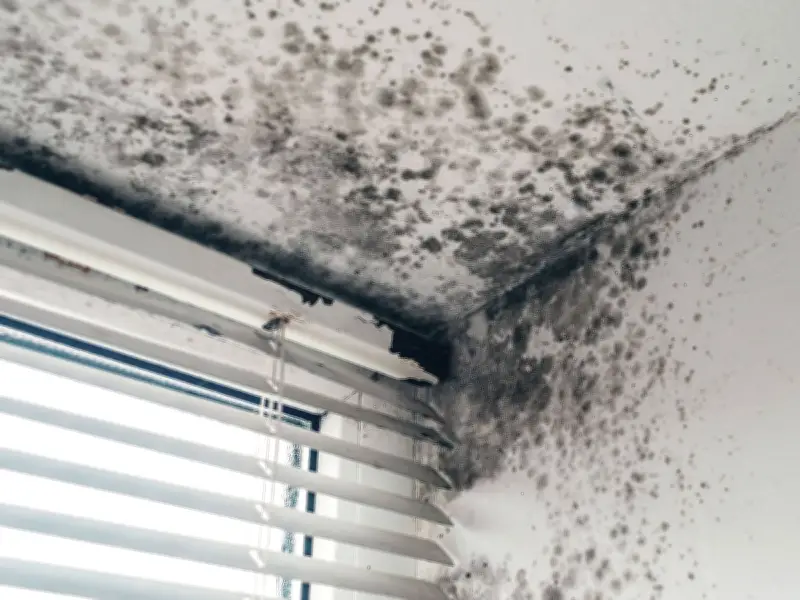
Mould is a common sight in homes across Wales, and discovering it can be unsettling. A small patch in the corner of a room can quickly turn into a genuine worry for health.
Mould grows best in damp spots such as bathrooms, kitchens and cellars, but it can also hide behind wallpaper, beneath carpets, or in the loft.
What is black mould?
Black mould is hazardous if left untreated. It gives off a musty smell and appears as greenish-brown or black patches. The texture is often slimy or wet, and it can look fuzzy or velvety. Some people liken the odour to rotting wood or damp earth.
That distinctive smell is often the first clue that black mould is present. It usually develops where there is persistent moisture or water damage. AXA explained: "This type is among the most common types of mould on windowsills as it grows in damp areas with high humidity levels, such as bathroom windows. You'll also spot black mould on natural materials such as wood, aluminium wicker and paper."
Exposure can lead to respiratory problems, exhaustion, headaches, fever and other serious health complications.
Asked to rate household mould as a health hazard out of 10, heart surgeon Dr Jeremy London said: "This one depends: standard regular mould really causes mild symptoms, I will give that one a three [out of 10]. Black mould can cause some serious illnesses. I will give that one a seven."
What is regular mould?
Regular mould also grows in damp, moist places, but it tends to be grey, brown or greenish-black. The key difference is its dry, powdery texture, unlike the wet appearance of black mould.
It can still cause health problems, though generally less severe than those linked to black mould. Regular mould has a less pungent smell and is easier to miss. It can be found in spaces with high humidity or intermittent moisture, including bathroom tiles, areas near windows, or poorly ventilated parts of the home.
How to remove mould
Mould should be dealt with quickly to protect both health and property. Wear glasses, gloves and a mask when handling it.
Black mould is hard to eliminate and is normally a job for a professional. In some cases, carpets, drywall or untreated wood surfaces may need to be replaced. Regular mould can be cleaned with industrial-strength cleaners and a soft-bristled brush, though a professional can also carry out a more thorough assessment.
How to prevent mould
Keeping an eye on indoor humidity is essential, as too much moisture encourages mould. A dehumidifier can help with humid air, and good ventilation is equally important.
Standing water should be removed as soon as it is discovered, because it can quickly allow mould to take hold. AXA says the main causes of mould in homes are humidity, condensation, rising damp and inadequate ventilation. The insurance firm added: "To prevent mould from growing in your home, it's crucial to recognise and remove fungus as soon as possible."