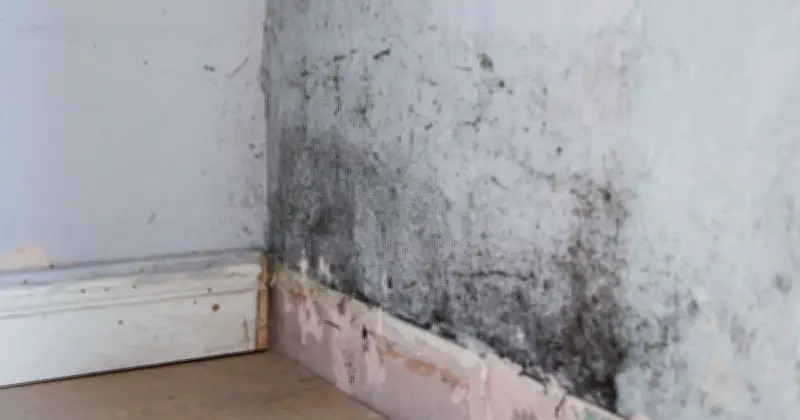
Mould is a common problem in homes across the UK, and it can be a worrying sight. It can go from a small nuisance in the corner of a room to a serious health issue. Mould is likely to grow in damp areas of homes such as bathrooms, kitchens and cellars. It can also be hidden behind wallpaper, under carpets or in the loft.
What is black mould?
Black mould is dangerous when left untreated. It carries a musty odour and appears as greenish-brown or black growths on surfaces. The mould will have a slimy or wet texture, and can even have a fuzzy or velvety appearance. Its smell has also been described as being like rotting wood or damp earth. The distinct smell is one of the first signs that black mould might be present, and it typically grows in areas with constant moisture or water damage.
AXA said: "This type is among the most common types of mould on windowsills as it grows in damp areas with high humidity levels, such as bathroom windows. You'll also spot black mould on natural materials such as wood, aluminium wicker and paper."
This type of mould can cause respiratory illness, fatigue, headaches, fever and other serious health issues. Ranking common health risks out of 10, well-known heart surgeon Dr Jeremy London was asked about household mould and said: "This one depends: standard regular mould really causes mild symptoms, I will give that one a three [out of 10]. Black mould can cause some serious illnesses. I will give that one a seven."
What is regular mould?
Regular mould can also appear in damp and wet areas, but is more grey, brown or greenish-black. The main difference is its dry, powdery appearance compared to the wet black mould. It can still cause health issues, but not as seriously as black mould. Regular mould typically has a less intense smell and is not as overpowering or noticeable.
This mould can be found in areas with high humidity or occasional moisture, such as bathroom tiles, around windows or poorly ventilated parts of homes.
How to remove mould
It is important to tackle mould as soon as possible so it doesn't affect your health or your home. You should wear safety equipment such as glasses, gloves and a mask when dealing with mould. Removing black mould can be hard work, so it is usually a job for a professional. You may need to replace carpets, drywalls or untreated wood surfaces.
Regular mould can be removed with heavy-duty cleaners and a soft-bristled brush, but professionals can also assess the job more effectively.
How to prevent mould
It is vital to monitor humidity levels in your home, as high humidity can promote mould growth. Use a dehumidifier to help with humid air and keep your home well-ventilated. Always remove any standing water as soon as you notice it, as this can lead to mould growth. According to AXA, the main causes of mould in homes are humidity, condensation, rising damp and poor ventilation.
Regular cleaning of the home is essential to prevent the growth of fungus. The insurance company added: "To prevent mould from growing in your home, it's crucial to recognise and remove fungus as soon as possible."