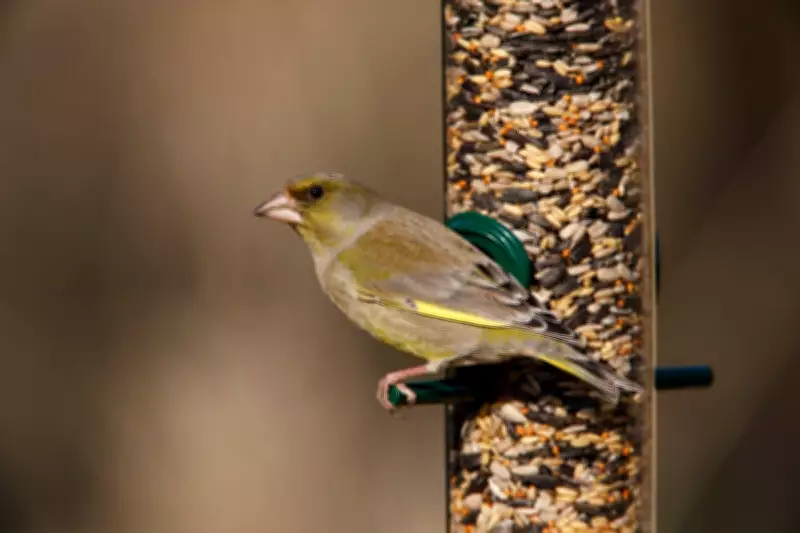
Greenfinch populations in British gardens have experienced a dramatic decline, falling by almost two-thirds over the past decade. The primary cause is trichomonosis, a parasitic disease that has spread from pigeons to finches, including greenfinches and chaffinches.
RSPB Recommendations
The Royal Society for the Protection of Birds (RSPB) advises gardeners to pause the use of seed mixes and peanuts in bird feeders between May and October. This period is critical because feeding stations can become hotspots for disease transmission. Adrian Thomas, an RSPB wildlife gardening expert, explains that trichomonosis, historically affecting pigeons, has now adapted to finches, leading to severe population impacts.
Natural Food Sources
To support birds during this time, gardeners are encouraged to cultivate plants that provide natural food sources. Recommended species include lavender, Verbena bonariensis, sunflowers, and echinacea. These plants offer seeds and nectar that help sustain birds throughout the year without the risks associated with artificial feeders.

Hygiene Practices
Strict hygiene is essential to minimise disease transmission. The RSPB recommends cleaning bird feeders at least once a week, changing bird bath water daily, and regularly relocating feeding stations. These steps can significantly reduce the spread of trichomonosis and protect garden birds.
By following these guidelines, gardeners can play a vital role in helping greenfinch populations recover while continuing to enjoy the presence of birds in their gardens.