Brits have been urged to watch out for bedbugs in hotels, trains and planes after a series of reported infestations raised concerns about the blood-sucking pests. Cases are reportedly rising by around 20% a year in London and other major European cities, according to a bedbug monitoring company.
Disruptions on Flights and Trains
A Qantas flight travelling from Italy to Australia was cancelled after the aircraft was grounded for a deep clean following a bedbug outbreak. Meanwhile, Southeastern trains operating from a depot near Hastings, East Sussex, were reportedly taken out of service after bedbugs were discovered in October.
The incidents have raised concerns for travellers as the autumn holiday season continues, with the insects able to hitch a ride on clothing and luggage before taking up residence in mattresses and furniture.
Bedbug Characteristics and Health Impact
Bedbugs are small, wingless insects with flat, oval bodies that range in colour from dark yellow to red or brown. They feed on human and animal blood and typically bite exposed areas such as the head, arms and legs while people sleep.
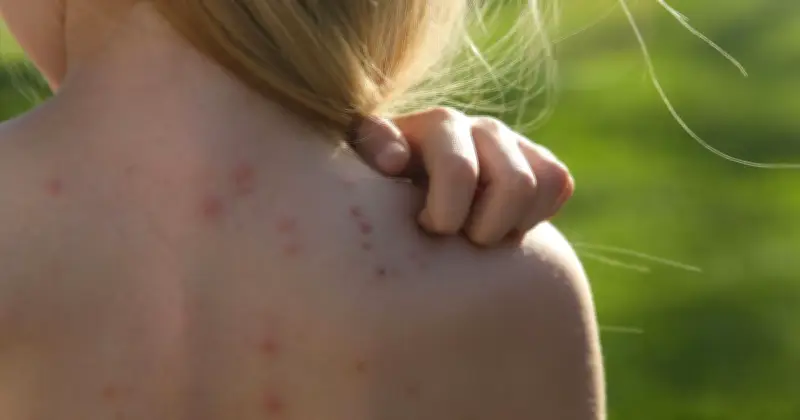
Their bites can appear as itchy, raised red marks, sometimes arranged in a zig-zag pattern. Although they are unlikely to cause other health problems, the insects can be difficult to spot and eradicate once they have established themselves.
Rising Cases and Expert Advice
Monitoring firm Valpas found the pests in one in every 42 hotel rooms it observed, according to a report in The Times. Frequent travel and resistance to insecticides have been identified as factors that could be worsening the problem, while experts warn that bedbugs are not necessarily a sign of poor hygiene.
Dr Cassie Krejci, vice president of transformation at pest management company Forshaw, said: “Bedbugs are a problem for all travellers, regardless of destination. They are not a symptom of uncleanliness or bad habits otherwise, but rather the consequence of an insect’s success.”
She warned that visitors should be concerned about bringing the insects home from any trip, particularly from cities where infestations are being reported more frequently.
Prevention Tips for Travellers
Travellers are advised to inspect their accommodation before unpacking. Bedbugs commonly hide in mattress seams and crevices around sleeping areas, while signs of an infestation can include rust-coloured or red dots, tiny black specks, shed exoskeletons and small yellow eggs.
Dr Krejci recommends placing suitcases in a bathroom or another tiled area before checking a room, and using a phone torch to inspect the mattress, furniture and appliances. A musty smell can also indicate a larger infestation. Cushions, throw pillows, picture frames and wall hangings should be checked because the insects are adept at hiding in dark spaces.
Anyone who finds evidence of bedbugs should notify hotel staff immediately and take photographs. Guests should keep luggage away from beds and walls, preferably on a clean bathroom surface, and avoid storing clothes in drawers.
After returning home, travellers are advised to seal luggage in a dark plastic bag and unpack away from the bedroom. Clothes should be tumble-dried promptly to help kill any insects that may have travelled home in a suitcase.