
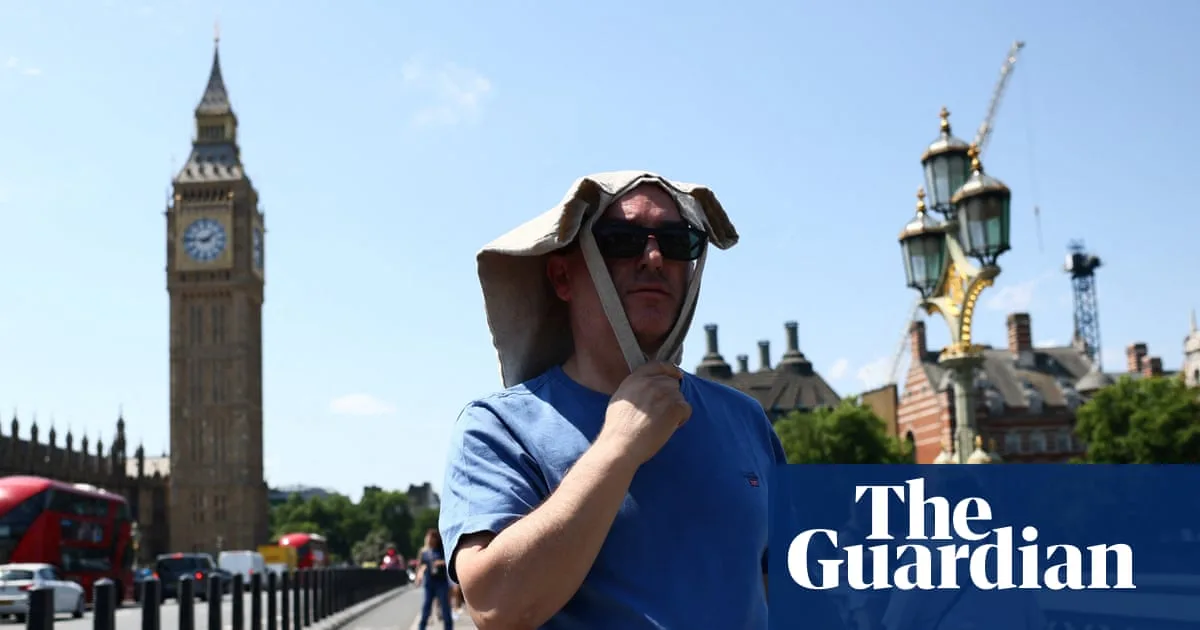
The Met Office has issued an amber extreme heat warning for much of southern England and south-east Wales, the most extreme heat warning it has issued in four years. The warning, first introduced in July 2021, covers the coming days as temperatures are expected to climb to about 30C (86F) over the weekend and peak at 34C on Monday and Tuesday, with a chance of even higher temperatures in some spots.
The warning differs from amber heat health alerts issued by the UK Health Security Agency (UKHSA), which separately issued an amber health alert on Thursday for London, the south-east, the south-west, and the east of England. The UKHSA warning indicates a likely rise in deaths, particularly among those aged 65 or over or with health conditions, and a potential increase in water-related incidents, including risks from cold-water shock and drowning.
Ross MacLeod, water safety manager for the Royal National Lifeboat Institution, urged caution, noting that cold water shock remains a danger even in hot weather. He advised entering water slowly to acclimatise and recommended that anyone in danger 'float to live' by relaxing on their back with head tilted back. He stressed not to enter the water to rescue others but to call emergency services and throw something buoyant.
Greg Wolverson, a deputy chief forecaster at the Met Office, said that while heatwave criteria will be met for some over the weekend, the warmth will expand and intensify at the start of next week, with tropical nights where temperatures do not drop below 20C possible. The warmth may bring isolated thundery downpours on Monday and Tuesday. The climate crisis is increasing the likelihood of such extreme heat events.
Car breakdown services have warned of an early summer surge in breakdowns due to overheating engines and tyre blowouts. An RAC spokesperson noted a 10% increase in demand compared to normal for mid-June. The AA advised drivers to avoid travelling during the hottest part of the day and to carry water. In Cambridge University botanic garden, head of horticulture Sally Petitt expressed concern for rare plants and mature trees sensitive to heat, noting that the garden has lost at least four mature Scots pines in the last five to six years.




