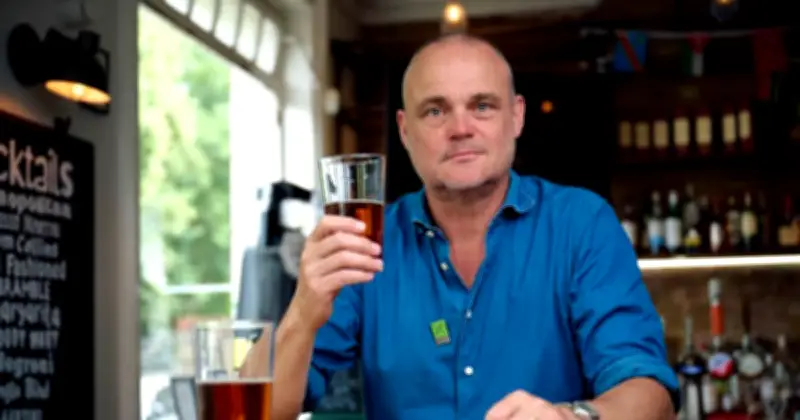
Comedian Al Murray has made a heartfelt plea after the death of his eight-year-old nephew. The 58-year-old has urged people to “pack a parachute for a stranger” and join the stem cell register after he lost his nephew Finley in 2021, who died from juvenile myelomonocytic leukaemia - a rare type of blood cancer.
Campaign Launch with Anthony Nolan
In an attempt to encourage the public to help others “escape cancer” by increasing the chances of finding a match, Murray has teamed up with stem cell charity Anthony Nolan to launch Half a Chance, to mark the 30th anniversary of its world-leading research institute. The emotional campaign is set in a traditional pub as Murray appears alongside three stem cell transplant recipients, however, next to them are three empty bar stools, representing those in need of a transplant.
Murray's Personal Appeal
Launching the campaign, Murray said: “Having lost my nephew Finley to blood cancer, I know firsthand the devastating reality families face. Anthony Nolan’s Research Institute has made incredible strides over the past 30 years, but patients need more than half a chance. We need to continue funding vital and groundbreaking research so that every patient gets the second chance at life they deserve.”

In an interview with the Press Association, he added: “Seeing my brother-in-law and his wife lose their son, and seeing the fact that there was a chance of defeating this, of escaping from the cancer via stem cell donation, you just think, well, more people need to know about that. It feels like you’re being asked to pack a parachute for a stranger. Why wouldn’t you go on this register? Why wouldn’t you do this? Particularly as the chances are they won’t call you.”
Call for Younger Donors
Murray said he is on the register but is too old and that it needs younger people aged 16-30 as well as people from different backgrounds to help increase the possibility of matches and, ultimately, someone’s survival. “It’s a sort of numbers game. The more people they have, the more data they have, the better they understand it, the better they can increase people’s chances of survival,” he explained. “It’s like buying a lottery ticket, but someone else wins.”