
The Australian Football League (AFL) is facing an existential threat from chronic traumatic encephalopathy (CTE), as highlighted by Monday's ABC Four Corners episode. The program examined the life and death of Nick Lowden, who at 23 became the youngest footballer diagnosed with CTE. CTE, first identified in boxers nearly a century ago, affects participants in collision and combat sports, as well as soldiers and domestic violence victims. Lowden's mother recalled his desperate questions: "Why am I like this? What's wrong with me? What's wrong with my brain?"
Coroner's Report Details CTE's Devastating Impact
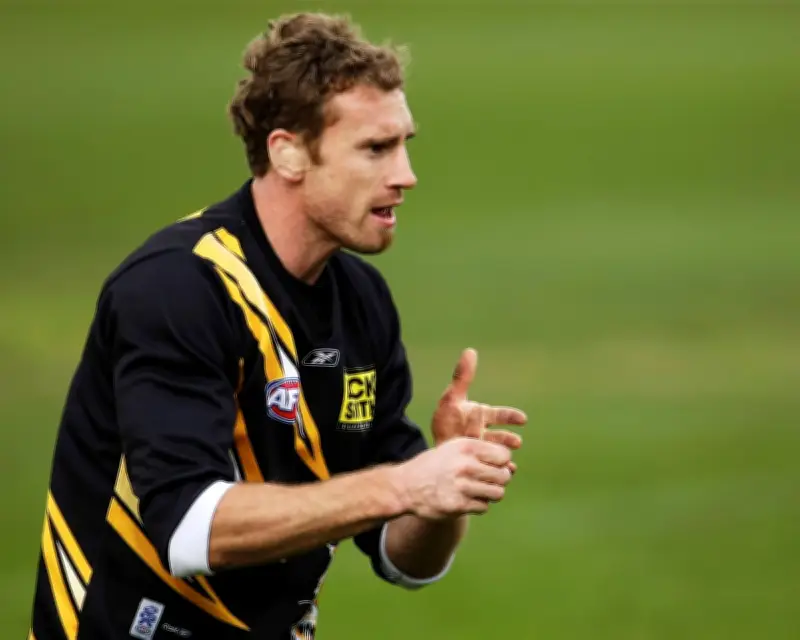
The worst cases end up in coroner's reports. John Cain's inquest into the death of former Richmond player Shane Tuck documented in 408 subheadings what CTE does to the brain, athletes' lives, and their loved ones. The Tuck and Lowden families described young men who didn't understand their condition, who fought using their athlete's instinct, and eventually retreated. Cain's detached description of Tuck's final 24 hours is described as crushing by observers.
Grassroots Concerns Grow
While these stories often involve professional players, the impact at grassroots level is harder to gauge. Lowden first suffered a serious concussion in the under-18 TAC Cup, Australia's best junior feeder competition. He later won a premiership in the strong SANFL, but below that, standards drop. Quality of grounds, umpiring, and medical access diminish. Many country clubs operate on thin margins, and there's a growing disconnect with the AFL, according to club officials.
Peter Hanlon's feature series for The Age on the 40th anniversary of a notoriously violent country grand final between Colac-Coragulac and South Warrnambool highlighted this. Hanlon described the game as "outrageously violent" and interviewed men with mental health challenges and concerned families. "For every Danny Frawley and Polly Farmer," he wrote, "there are thousands who endured multiple concussions in the suburbs and the bush who are pondering a frightening thought – what if that's me?"
AFL's Response Criticized as Inadequate
The questions from Four Corners mirror those from grieving parents, coroners, litigants, and broken men in their 40s and 50s: What is the governing body's responsibility and culpability? Is the AFL responsible for the entire football ecosystem, including junior, suburban, and country levels? For incidents from 40 years ago? For educating every parent about head trauma?
The AFL has been too slow to act on CTE dangers. For nearly a decade, concussion guidelines were shaped by Dr Paul McCrory, who in 2016 dismissed "the carry on and hoo-ha" around CTE. Before being exposed as a plagiarist, he led a multimillion-dollar AFL study into concussion criticized for "a lack of governance, stewardship and coordination". On Four Corners, AFL general manager of health and football operations Laura Kane said the league still lacked a CTE policy but claimed commitment to research. Many of Cain's coronial recommendations were "on track", she said, adding that "repeated head trauma is extremely undesirable". These words, described as "well-thumbed", should have come from CEO Andrew Dillon. They were inadequate on a human level and in addressing the sport's existential threat.
Disease of Exposure Requires Fundamental Changes
While concussions have serious consequences, CTE results from accumulated microscopic brain damage from bumps and tackles. Lowden, who started playing at six, could have had CTE without ever experiencing a concussion. Neuropathologist Michael Buckland calls CTE a "disease of exposure". Prevention, he told Four Corners, requires reducing exposure, like with skin cancer. This means significantly reducing contact training hours and increasing the age for tackling, which will face resistance. Boston University's Ann McKee, a world-leading CTE expert, wants to ban tackling until adulthood. Many neurologists agree that starting contact sport later and having fewer, shorter matches at senior level are essential—both at odds with the AFL's commercial imperatives.
The AFL's focus has been on elite-level head injuries, but nearly three-quarters of a million people play Australian rules football, from Auskick to thousands of junior and senior clubs. Kane said: "Our job is not to communicate every single aspect of risk that exists in our game." She's right, but a 23-year-old with CTE shifts the parameters. The discussion is no longer about 60-year-old former champions at risk of dementia or tinkering with professional rules. It's about whether the sport is inherently unsafe for all who play it. Many parents and former players are asking this question. The AFL failed to answer it properly on Four Corners, and they may soon have to answer in a courtroom.




