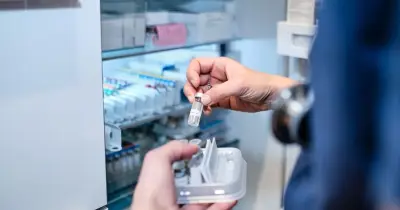
Pharmacist Raj Patel, with over 35 years of experience, has issued a warning about 10 common medications that can become risky during the ongoing UK heatwave. Temperatures are expected to exceed 30°C this weekend, and Patel urges patients to be aware of how their medicines may affect their body's response to heat.
Key Medications to Watch
In a TikTok video, Patel listed the following medicines: Furosemide, Ramipril, Losartan, Amlodipine, Bisoprolol, Oxybutynin, Amitriptyline, Sertraline, Empagliflozin, and Insulin. He emphasised: “If you take regular medicines, a heatwave can affect you more than you realise. This is not panic. This is not a reason to stop your tablets. This is a reason to plan ahead.”
How Each Medicine Affects Heat Tolerance
- Furosemide (water tablet): Increases dehydration risk. The NHS advises drinking more water while taking it.
- Ramipril (ACE inhibitor): Can cause dizziness, low blood pressure, or kidney strain if dehydrated.
- Losartan (ARB): Heat and sweating may increase light-headedness or kidney stress.
- Amlodipine (calcium channel blocker): Ankle swelling, flushing, dizziness, or headaches may feel worse in heat.
- Bisoprolol (beta blocker): Slows heart rate, affecting response to heat and exercise.
- Oxybutynin (bladder medication): Reduces sweating, making it harder to cool down.
- Amitriptyline (nerve pain/migraine/sleep): May cause drowsiness, dry mouth, constipation, and affect heat tolerance.
- Sertraline (SSRI antidepressant): Some people sweat more, feel dizzy, or have temperature tolerance changes.
- Empagliflozin (SGLT2 inhibitor for diabetes): Increases fluid loss through urine, raising dehydration risk.
- Insulin: Heat, extra walking, missed meals, alcohol, and dehydration can affect blood sugar. The NHS advises storing unopened insulin in the fridge and carrying current insulin in a cool bag.
Expert Advice: Plan Ahead, Don't Stop Medication
Patel concluded: “Do not stop prescribed medicines suddenly unless a healthcare professional tells you to.” Instead, he advises planning ahead, hydrating, keeping cool, and storing medicines properly. The NHS notes that people on multiple medications may be more affected by hot weather.
General Heatwave Tips
To cope with the heat, the NHS recommends staying out of the sun, consuming cold food and drinks, avoiding coffee, caffeine, and hot drinks, and keeping living spaces cool by closing windows and curtains during the day and opening them at night. Anyone unsure about their medication during hot weather should consult a healthcare professional.