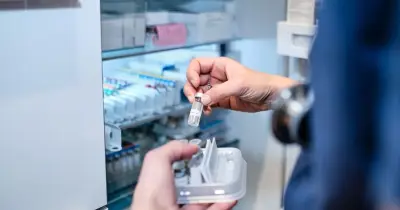
Britons are increasingly travelling to Croatia for dental treatment, with one private clinic reporting a surge in UK patients. Dentum, based in Zagreb, saw 1,502 patients from the UK in 2025, up steadily over the last four years. The clinic invited Express health editor Hanna Geissler to visit and understand why.
The appeal of Croatian dentistry
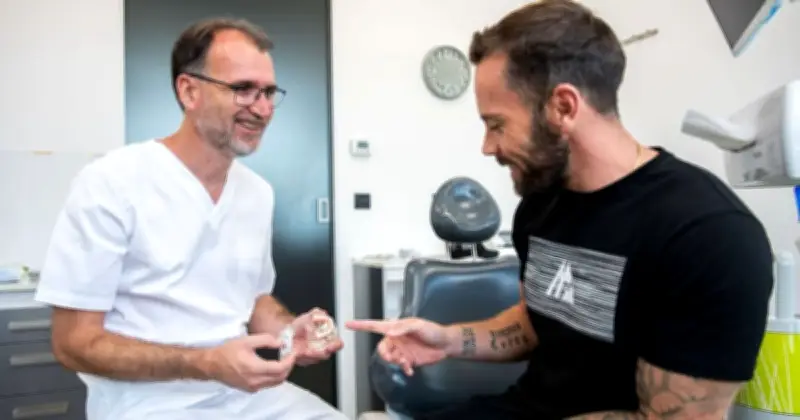
Patients like Will Goode, a 39-year-old police officer and former soldier from Buckinghamshire, are drawn by significant cost savings. Will had not smiled with his mouth open in a photo since age 14 due to crooked teeth. He travelled to Zagreb three times for Invisalign treatment, costing around £3,800, including £2,400 for the straightening process. His cheapest return flights were just £32. He estimates the same treatment in the UK would have cost £10,000.
Will also had three fillings at a fraction of the price his friends have paid in the UK. He said: "I fell asleep when I had the fillings. I never anticipated I'd fall asleep at the dentist because I used to be so nervous, I used to lie there sweating."
The most popular treatment at Dentum is All-on-4, a complex procedure using metal implants to support the replacement of all teeth in the upper or lower jaw. The clinic claims it offers the same quality of materials and methods certified to EU standards, at a lower price point than high-end UK clinics.
Risks and warnings
However, experts warn of risks. Eddie Crouch, chair of the British Dental Association, said: "If you have treatment in the UK, the person providing that treatment will be insured and indemnified for any failures. No dentistry is 100% successful and when things go wrong, you would want the sufficient compensation to actually have that remediated. That's far more difficult when you're traveling thousands of miles away."
A 2022 survey of 1,000 dentists by the BDA found 95% had examined patients who had received treatment abroad. Of those, 86% said they had treated cases that developed complications. Crowns were the most likely treatment to need follow-up work, followed by implants. In some cases, the cost of fixing mistakes exceeded £5,000.
The NHS has a duty of care to provide emergency and clinically necessary treatment, but it does not routinely cover the cost of correcting private cosmetic work. The health service advises anyone considering travelling abroad for medical treatment to look out for warning signs including a hard sell, a lack of information, and pressure to make a quick decision.
Quality versus price
Dentum's head of sales and patient support, Ana Tadin, warns that choosing the cheapest option, such as some budget clinics in Turkey, may mean sacrificing quality. Dr Petar Bago, co-founder and manager at Dentum, says Brits are attracted by the clinic's "good relationship between the quality and the price". He adds: "For this price that we can offer in Croatia, they cannot have that in the UK."
Eddie Crouch, speaking broadly about overseas clinics, says some cheaper providers "focus on treatment that's relatively quick and easy to perform, and that sometimes involves quite a lot of significant cutting of healthy teeth for crowns, dentures, bridges and various sort of implants". He acknowledges that "until it's readily easy to get a dentist in the UK, people will go abroad", noting that around 14 million adults in England are struggling to gain access to NHS dentistry.
Satisfied patients include Brenda Brown, a Canadian living in central London, who opted for All-on-4 treatment after struggling with a misaligned jaw. She was quoted £14,000-£16,000, a third of the price she had been quoted in the UK. Helen Jones, 71, from West London, had been quoted £26,000 in the UK for six implants and composite bonding; Dentum recommended a more thorough treatment plan at less than half the price.
Eddie recommends that any patients considering dental tourism shop around in the UK first and check any overseas quotes and treatment plans with their dentist. For Will, the decision is clear: "I won't go to another dentist ever again."