
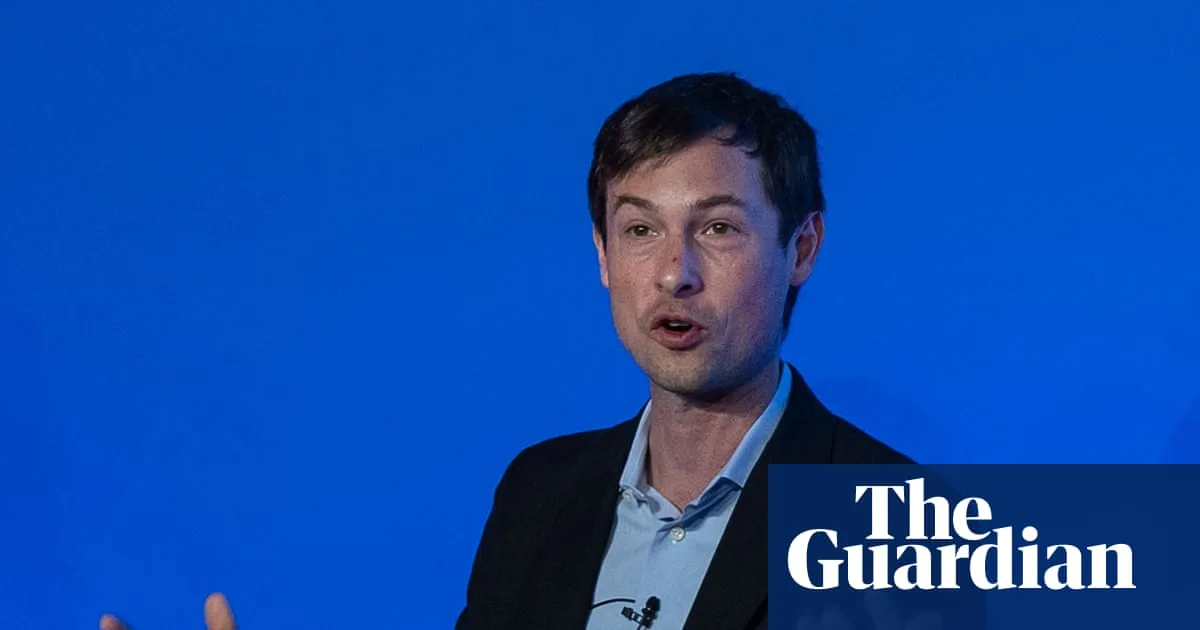
Reed Jobs, son of Apple co-founder Steve Jobs, is looking to invest in British cancer research and treatment, citing the UK's "world class" science. The 34-year-old runs Yosemite, an oncology-focused venture capital fund with more than $1bn in assets, and was speaking on the sidelines of a life sciences conference in London hosted by the not-for-profit organisation LifeArc.
Jobs said his motivation stemmed from watching his father die of a rare form of pancreatic cancer in 2011. "I saw my dad have cancer when I was a kid, and unfortunately that happens far too often. And that really motivated me to try to transform outcomes for other people out there." He also lost a close friend to leukaemia in adulthood.
Yosemite, named after the national park where his parents married, has already invested in about 20 healthcare startups, including several in the UK that have not been publicly announced. Its focus areas include gene therapy, cancer vaccines, radiopharmaceuticals and artificial intelligence. The fund receives investment from LifeArc, which supports rare disease research, and has partnerships with Oxford and Cambridge universities, where it has provided philanthropic grants.
The venture was spun off in 2023 from Emerson Collective, the philanthropic and investment group founded by his mother, Laurene Powell Jobs. Yosemite is backed by Amgen, the Massachusetts Institute of Technology, Memorial Sloan Kettering Cancer Center and billionaire investor John Doerr. Jobs hopes that within his lifetime cancer will become a treatable disease, diagnosed early and monitored, similar to advances made with HIV and cardiovascular disease.
He highlighted immunotherapy as a particularly promising area. "It's one of the areas I think is going to have the most promise for patients in the next couple of decades." However, another conference speaker, Lone Friis, who runs LifeArc's C-Further paediatric oncology programme, noted that while childhood cancers are rare, with around 4,000 new cases in the UK each year, cancer remains the leading cause of death by disease in children. Only eight new medications for children have been developed in the past two decades, compared with up to 150 for adults. "We need to do better," she said.




