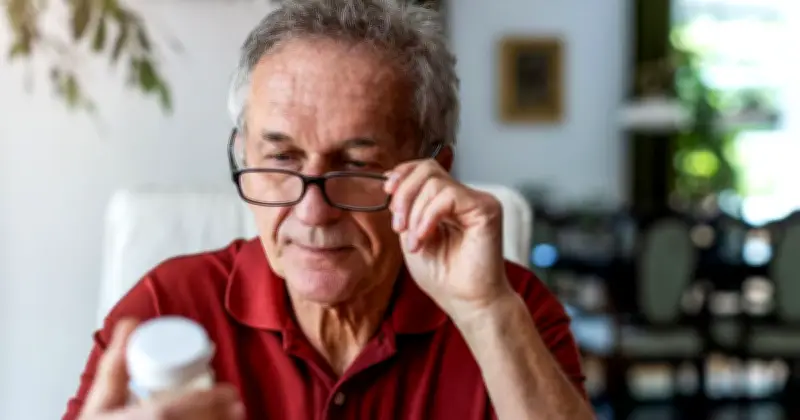
A pharmacist has urged people not to stop taking propranolol, a common blood pressure medication, despite data showing 12 deaths and 318 intentional overdoses associated with the drug over a one-year period.
Propranolol, a beta-blocker approved to treat high blood pressure, carries a higher risk of side effects compared to other medications. According to the National Poisons Information Service (NPIS), a dozen people died after taking propranolol between 2022 and 2023. However, these deaths were exclusively caused by deliberate overdoses, not by taking the medication as prescribed by a doctor.
Pharmacist's Advice to Patients
Raj Patel, a pharmacist, told his 100,000 TikTok followers: "If you take propranolol and this 12 deaths headline has got you worried, please don't stop your tablets."
He added: "Propranolol can affect your heart, your blood pressure, your breathing, and your brain if too much is taken." He continued: "But if it's been prescribed for you, please continue to take it exactly as prescribed. Don't stop it suddenly because of this headline."
Uses and Risks of Propranolol
Propranolol is commonly used to treat high blood pressure and some heart conditions. It can also help manage symptoms associated with anxiety, including trembling and sweating, by blocking the effects of adrenaline and slowing heart rate.
However, it can be dangerous when taken in excessive quantities, and it is recommended to take the amount prescribed by your doctor or pharmacist. Taking too much propranolol can impact your heart, blood pressure, breathing, and brain.
NHS Guidance on Overdose and Stopping
The NHS states: "An overdose of propranolol can be very serious. It can significantly slow your heart rate, lower your blood pressure, cause dizziness, seizures or fits, and make it difficult to breathe. The amount of propranolol that can lead to an overdose varies from person to person."
The health service adds: "Talk to your doctor if you want to stop taking propranolol. If you're bothered by side effects, your doctor may be able to prescribe a different medicine instead."
Stopping propranolol suddenly may make your health problem worse. If you stop suddenly after taking it for a long time, you may also get extra side effects as a reaction to stopping it, including an irregular heart rate, sweating, and shaking.
The NHS also advises: "Your doctor will usually reduce your dose gradually over 1 to 2 weeks. Follow their instructions on how to do this. If you stop taking propranolol, it will take about 1 to 2 days for it to be completely out of your body, but the side effects can last for up to 1 week."
Dosage Information
Propranolol tablets come in strengths of 10mg, 40mg, 80mg, or 160mg. The slow-release capsules are 80mg or 160mg, while the liquid comes in strengths of 5mg, 10mg, 40mg, or 50mg in 5ml. Those with high blood pressure usually start at a dose of 80mg, taken twice a day. If this is not working well enough to reduce your blood pressure, your doctor may increase the dose to 160mg twice a day.
The NHS explains: "Doses are usually lower for people aged over 65 or people with kidney or liver problems. If your child needs propranolol, your doctor will usually use your child's weight to work out the right dose."